Cultural Experiences: Visiting Ancient Sites in Greece
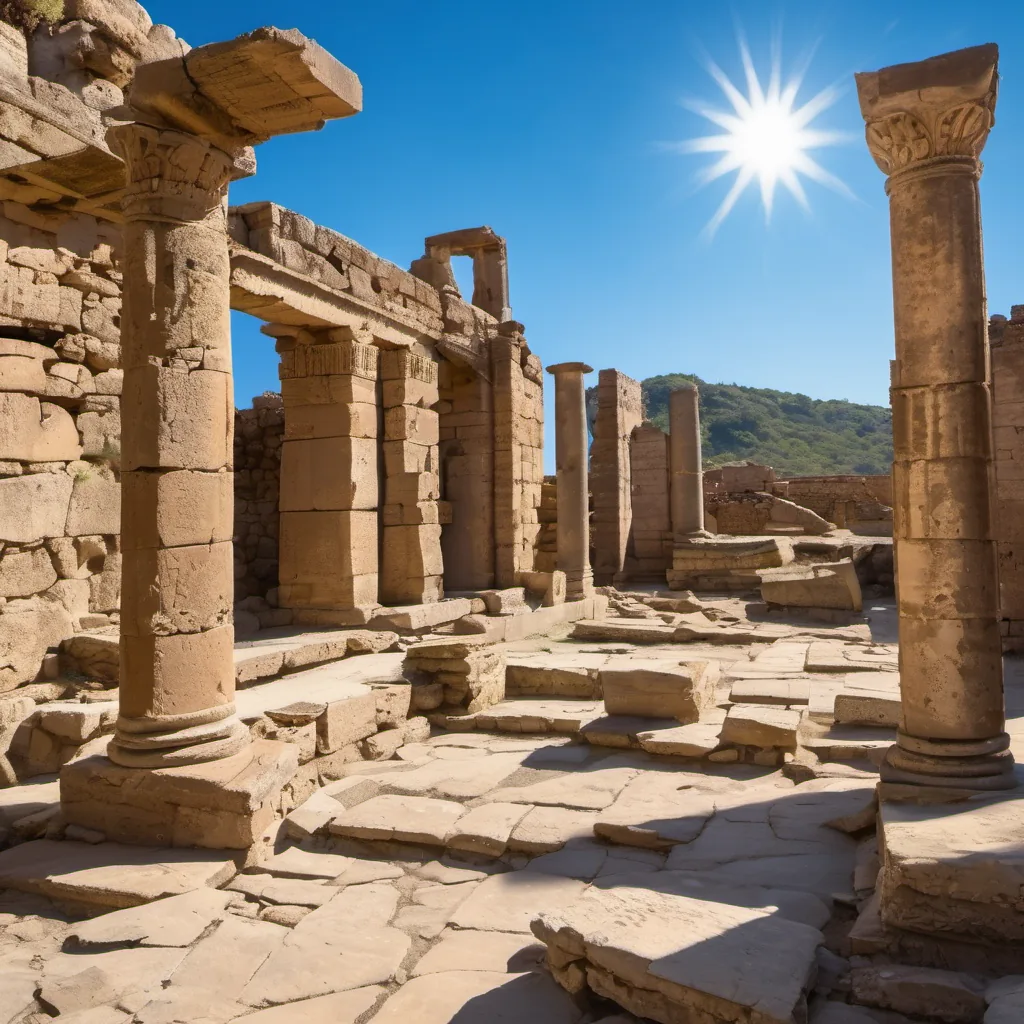
Athens: The Acropolis and Ancient Agora
Greece’s capital, Athens, is a treasure trove of ancient history, with the Acropolis at its heart. This UNESCO World Heritage Site dominates the skyline and reflects the architectural prowess of ancient Greece. The most iconic structure is the Parthenon, dedicated to the goddess Athena. Constructed between 447 and 432 BC during the Golden Age of Athens, the Parthenon symbolizes not only the height of Greek architecture but also the ideals of democracy and civic pride.
The Parthenon and Its Significance
Measuring 69.5 meters in length and 30.9 meters in width, the Parthenon stands as a testament to the skill of its architects, Ictinus and Callicrates. Within its walls, a massive statue of Athena, crafted by Phidias from gold and ivory, once resided. In addition to the Parthenon, visitors to the Acropolis can admire the Erechtheion, renowned for its unique asymmetrical design, along with the Caryatids—elegantly draped female figures that serve as columns. Together, these structures highlight the artistic and architectural innovations of ancient Athens.
Ancient Agora: The Heart of Athenian Life
A short walk from the Acropolis leads to the vibrant Ancient Agora, the center of public life in Athens. This bustling area was where citizens gathered to discuss politics, philosophy, and commerce. Notable structures within the Agora include the Temple of Hephaestus, one of the best-preserved temples in Greece, built around 450 BC. Nearby, the Stoa of Attalos, reconstructed in the 20th century, now houses a museum that provides insight into daily life in ancient Athens. This juxtaposition of ruins and reconstructions creates a vivid picture of the past.
Sacred Sites: Delphi and Olympia
Discovering Delphi
Nestled on the slopes of Mount Parnassus, Delphi was considered the center of the world in ancient Greece. Home to the Oracle of Delphi, who served for over 1,000 years from the 8th century BC to the 4th century AD, this sacred site attracted pilgrims from far and wide. They sought guidance on matters ranging from personal dilemmas to state affairs. A highlight of Delphi is the Temple of Apollo, where the oracle delivered her prophecies, showcasing the grandeur of ancient Greek religion and its significance in daily life. Additionally, the ruins of the theater, which could seat 5,000 spectators, underscore Delphi's cultural importance.
Touring Olympia
Another essential stop on a cultural journey through Greece is Olympia, the birthplace of the Olympic Games in 776 BC. These games were held every four years for nearly 12 centuries, until 393 AD. Visitors can explore the ruins of the Temple of Zeus, which once housed a gigantic statue of the god made of ivory and gold. The ancient stadium, where athletes competed for glory, further embodies the spirit of competition and reverence that characterized these ancient games.
Minoan and Mycenaean Civilizations: Knossos and Mycenae
Uncovering Knossos
On the island of Crete lies Knossos, the center of Minoan civilization, known for its complex palace covering an area of approximately 6 acres with over 1,300 rooms. Famous for its intricate frescoes that depict vibrant scenes of nature and mythology, Knossos also features advanced plumbing systems, including running water and drainage. The legends of the Minotaur and the labyrinth add a mythical allure to the site, making it a must-visit for those interested in the roots of Western civilization.
Investigating Mycenae
Mycenae, a major center of Greek civilization from 1600 to 1100 BC, captivates visitors with its monumental architecture. The Lion Gate, dating back to around 1250 BC, is the only surviving monumental sculpture of the Bronze Age in Greece, showcasing the artistry and engineering skills of Mycenaean builders. Additionally, the Tomb of Agamemnon, an impressive tholos tomb, is steeped in legend and history, solidifying Mycenae's status as a cornerstone of Greek mythology and an essential stop for any history enthusiast.
Conclusion
Visiting ancient sites in Greece is not just a journey through history; it’s an immersion into the cultural and spiritual heart of Western civilization. The stories told by these ruins form the foundation of our understanding of democracy, art, and athleticism. Exploring places like the Acropolis, Delphi, Olympia, Knossos, and Mycenae offers a unique glimpse into the lives of those who shaped our world.
FAQ
What is the best time to visit ancient sites in Greece?
The best time to visit is during the spring (April to June) and fall (September to October) when the weather is mild and the tourist crowds are smaller.
Are there guided tours available at these ancient sites?
Yes, many of the sites offer guided tours that provide in-depth historical context and insights into the ruins.
How can I get to these ancient sites from Athens?
Most sites are accessible via public transportation, guided tours, or rental cars. Buses frequently run from Athens to popular destinations like Delphi and Olympia.
Is there an entry fee for these archaeological sites?
Yes, there are entry fees for most sites, and they may vary. It's advisable to check official websites for the latest information on ticket prices and opening hours.
Related articles

Cultural Experiences in Spain
Spain is a vibrant tapestry of cultural experiences, from the passionate art of Flamenco to the joyous tradition of tapas. Festivals like La Tomatina and Semana Santa further highlight the country's rich heritage.

Cultural Travel: Exploring the History of London
London's history spans over 2000 years, from its Roman settlement of Londinium to iconic landmarks like the Tower of London and Westminster Abbey. This cultural travel guide explores the rich tapestry of London's past and its significant historical sites.
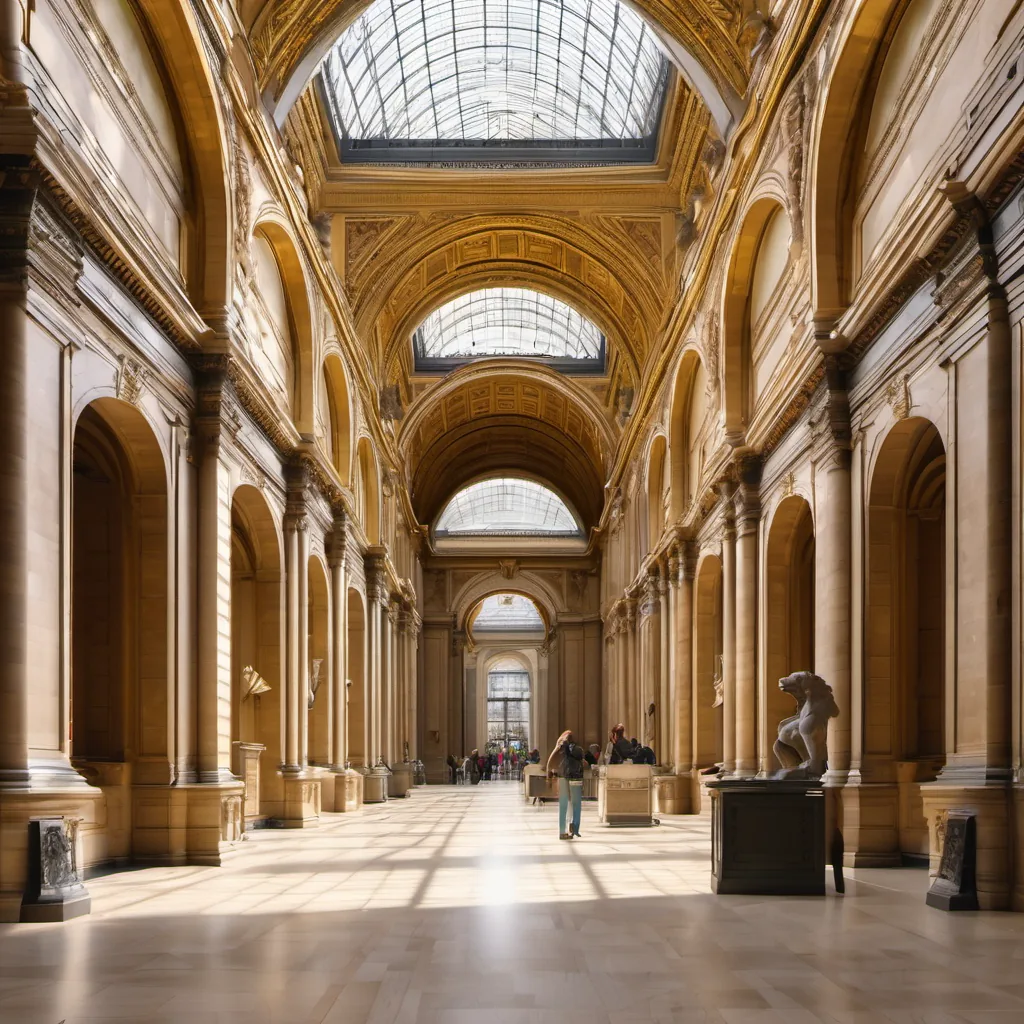
Cultural Insights: Visiting the Louvre Museum in Paris
The Louvre Museum in Paris is a treasure trove of art and history, featuring approximately 38,000 objects across 72,735 square meters. This guide offers essential tips for planning your visit, navigating the museum, and understanding cultural etiquette.