Cultural Insights: Visiting the Louvre Museum in Paris
Cultural Insights: Visiting the Louvre Museum in Paris
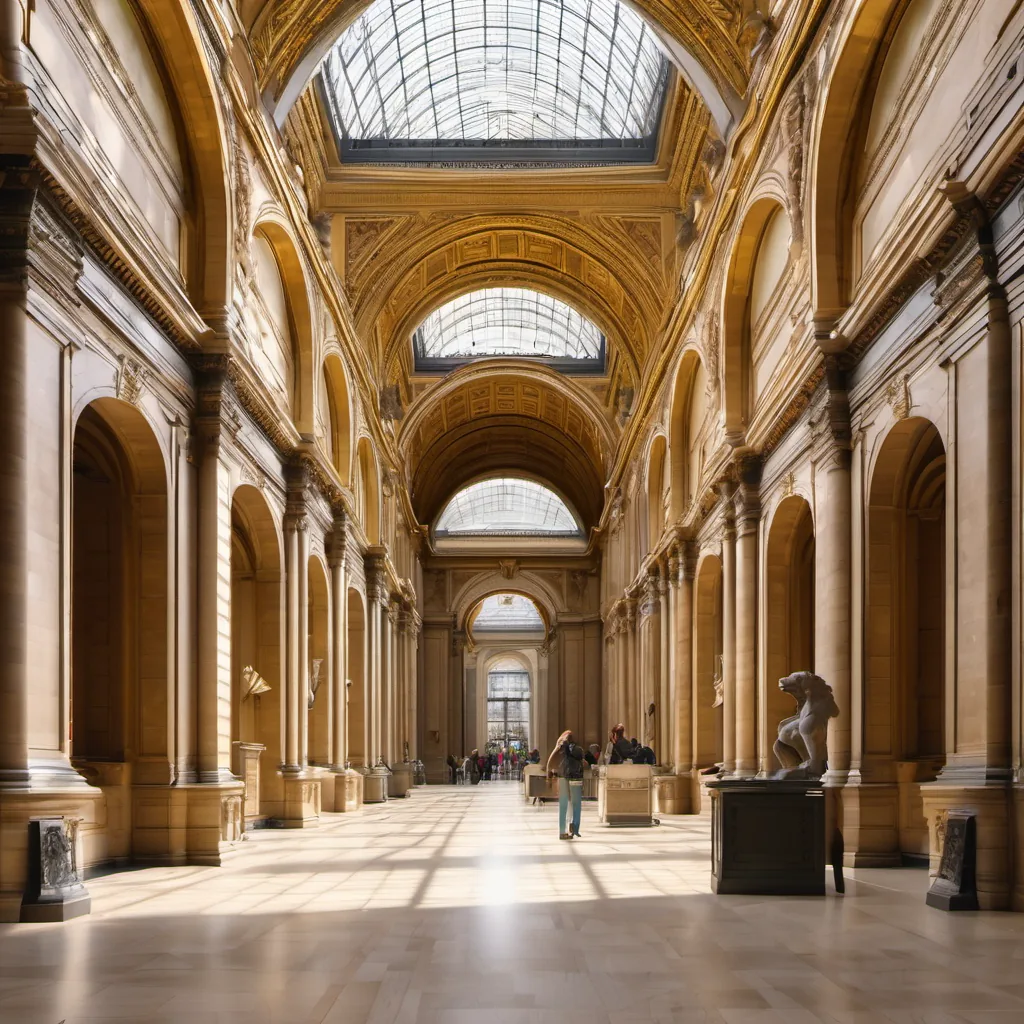
The Louvre Museum in Paris is a treasure trove of art and history, housing approximately 38,000 objects from prehistory to the 21st century, displayed over an impressive 72,735 square meters. From the enigmatic smile of the Mona Lisa to the grandeur of the Winged Victory of Samothrace, the museum offers a glimpse into the world’s cultural heritage. If you’re planning a visit, here's what you need to know to make the most of your experience.
Planning Your Visit
Before you step foot inside this iconic museum, careful planning can significantly enhance your experience.
- Book tickets online in advance to avoid long queues, especially during peak seasons like summer and holidays. The Louvre is the world’s most-visited museum, welcoming approximately 9.6 million visitors in 2019.
- Consider visiting on Wednesday or Friday evenings when the museum stays open later (until 9:45 PM) and is generally less crowded. This allows you to take in the artworks without feeling rushed.
- Download the Louvre's official app for maps, audio guides, and detailed information about the artworks. The app is an invaluable tool for navigating the vast museum, ensuring you don’t miss out on must-see pieces.
Navigating the Museum
Given that the Louvre contains over 460,000 objects, with only 38,000 on display, having a strategy for navigating the museum is essential.
-
Prioritize which artworks or sections you want to see. It’s nearly impossible to take in everything in one visit, so focus on highlights like the Mona Lisa, the Venus de Milo, and the Winged Victory of Samothrace.
-
Use the museum's maps and signage to navigate the different wings and levels. The museum is divided into eight curatorial departments:
- Egyptian Antiquities
- Near Eastern Antiquities
- Greek, Etruscan, and Roman Antiquities
- Islamic Art
- Sculpture
- Decorative Arts
- Paintings
- Prints and Drawings
-
Take advantage of the free guided tours or audio guides for in-depth insights into specific artworks or collections. These resources can significantly enrich your understanding of the pieces and their historical contexts.
Cultural Etiquette and Considerations
Visiting the Louvre isn’t just about admiring the art; it’s also about respecting the space and its rules.
- Photography is generally allowed, but flash photography is prohibited. Capture the moments, but always be considerate of the art and fellow visitors.
- Be mindful of the crowds and avoid blocking pathways or getting too close to artworks. Remember that many others are there to appreciate the same masterpieces.
- Respect the museum's rules and regulations, including dress code restrictions (no overly revealing clothing) and food/drink restrictions (allowed only in designated areas). Maintaining decorum enhances the experience for everyone.
Frequently Asked Questions
What are the opening hours of the Louvre Museum?
The Louvre Museum is open daily from 9 AM to 6 PM, except on Tuesdays. On Wednesday and Friday evenings, it remains open until 9:45 PM.
How much does it cost to enter the Louvre?
As of 2023, the general admission fee is approximately €17 if purchased online and €15 at the museum. Entrance is free for visitors under 26 from the European Union.
Is the Louvre accessible for people with disabilities?
Yes, the Louvre is committed to accessibility. It offers various services and accommodations for visitors with disabilities, including wheelchair access and guided tours tailored to their needs.
Are there guided tours available?
Yes, the Louvre offers several guided tours, which can be booked in advance. These tours provide deeper insights into specific artworks and their historical contexts.
Can I store my belongings while visiting the museum?
Yes, the Louvre provides storage facilities for bags and coats. However, larger items like suitcases are not allowed inside the museum.
Conclusion
Visiting the Louvre Museum is more than just an outing; it’s an opportunity to connect with centuries of art and history. From its origins as a fortress built by King Philip II in the late 12th century to its current status as a cultural beacon, the Louvre invites you to explore its vast collection. Whether you’re captivated by the mystique of the Mona Lisa or the grandeur of the Venus de Milo, thoughtful planning will enhance your experience at this world-renowned institution.
Related articles
Cultural Travel: Immersive Experiences in Italy
Experience the rich culture of Italy through immersive activities like pasta making in Bologna, art tours in Florence, and opera nights in Milan. Discover the traditions and festivals that define this beautiful country.

Luxury Getaways: From Paris to Bali
Explore the luxurious experiences offered by Paris and Bali, from Michelin-starred dining and private shopping in Paris to serene retreats and wellness experiences in Bali. Discover the unique charms of each destination to find your perfect luxury getaway.

Luxury in France: From Paris to the Riviera
Discover the epitome of luxury in France, encompassing high-end shopping in Paris and the exclusive lifestyle of the French Riviera. From Michelin-starred dining to opulent accommodations, explore how France defines indulgence.