Cultural Experiences in Spain
Flamenco and Music
Spain's rich musical heritage is epitomized by Flamenco, a passionate art form that blends singing, dancing, and guitar playing. Originating in Andalusia, this expressive dance reflects the region's Romani heritage and is celebrated for its emotional intensity. Attending a live Flamenco performance in local venues offers an authentic glimpse into the heart of Spanish culture.
Beyond Flamenco, Spain boasts a variety of regional music styles that further showcase its cultural diversity. For instance, the Galician bagpipes produce a unique sound that resonates through the lush landscapes of the northwest. Meanwhile, the Catalan rumba combines influences from Latin America and Spain, illustrating the rich tapestry of the country's musical traditions.
Food and Drink
One of the most delightful ways to experience Spanish culture is through its food. Participating in a tapas tour allows you to sample a variety of small savory dishes served in bars. In cities like Granada, it's common for bars to offer a free tapa with each drink order, making this a social tradition that encourages mingling and sharing.
In addition to tapas, taking a cooking class provides another fantastic opportunity to immerse yourself in Spanish gastronomy. You can learn to prepare traditional dishes such as paella, a rice dish often made with seafood or meat, and gazpacho, a refreshing cold tomato soup originating from Andalusia.
Local markets also serve as vibrant hubs where you can experience the atmosphere of Spanish daily life. Markets like Mercado de San Miguel in Madrid or La Boqueria in Barcelona offer a feast for the senses, showcasing regional products and local ingredients that are central to Spanish cuisine.
Festivals and Celebrations
Spain is home to numerous festivals that reflect its diverse cultural tapestry. One of the most notable is Semana Santa (Holy Week), particularly in cities like Seville and Málaga. These elaborate processions feature ornate floats, hooded penitents, and solemn music, drawing thousands of spectators each year and offering a profound experience of Spain's religious and cultural heritage.
For a more unconventional experience, consider attending La Tomatina in Buñol, held annually on the last Wednesday of August. This playful festival involves participants throwing over 150,000 tomatoes at each other, resulting in a vibrant and messy display of camaraderie and fun.
In addition to these major events, local festivals across Spain celebrate unique traditions and customs. The Running of the Bulls in Pamplona during the San Fermín festival (July 6-14) is among the most iconic, involving participants running ahead of six bulls through the city streets. Although controversial, it remains a significant cultural event that attracts visitors from around the world.
Conclusion
Cultural experiences in Spain offer a window into the nation's soul, seamlessly blending music, cuisine, and vibrant celebrations. From the passionate rhythms of Flamenco to the communal joy of tapas and the spirited energy of festivals, each aspect reflects the diverse heritage of this remarkable country. Whether you are exploring architectural wonders like the Sagrada Familia, which has been under construction since 1882 and is expected to be completed in 2026, or the historic Alhambra in Granada, a UNESCO World Heritage site originally built in 889, every corner of Spain invites you to discover its rich culture.
FAQ
What is Flamenco?
Flamenco is an art form that combines singing, dancing, and guitar playing, originating from Andalusia, showcasing the region's Romani heritage.
What are tapas?
Tapas are small savory dishes served in bars, often enjoyed with drinks, and are an integral part of social life in Spain.
Where can I experience Semana Santa?
Semana Santa celebrations are particularly elaborate in cities like Seville and Málaga, featuring processions, ornate floats, and traditional music.
What is La Tomatina?
La Tomatina is an annual festival held in Buñol where participants throw tomatoes at each other, making it the world's largest tomato fight.
How does the siesta work?
The siesta is a traditional afternoon break where many businesses close for a few hours, allowing people to rest, though its prevalence has decreased in recent years.
Related articles
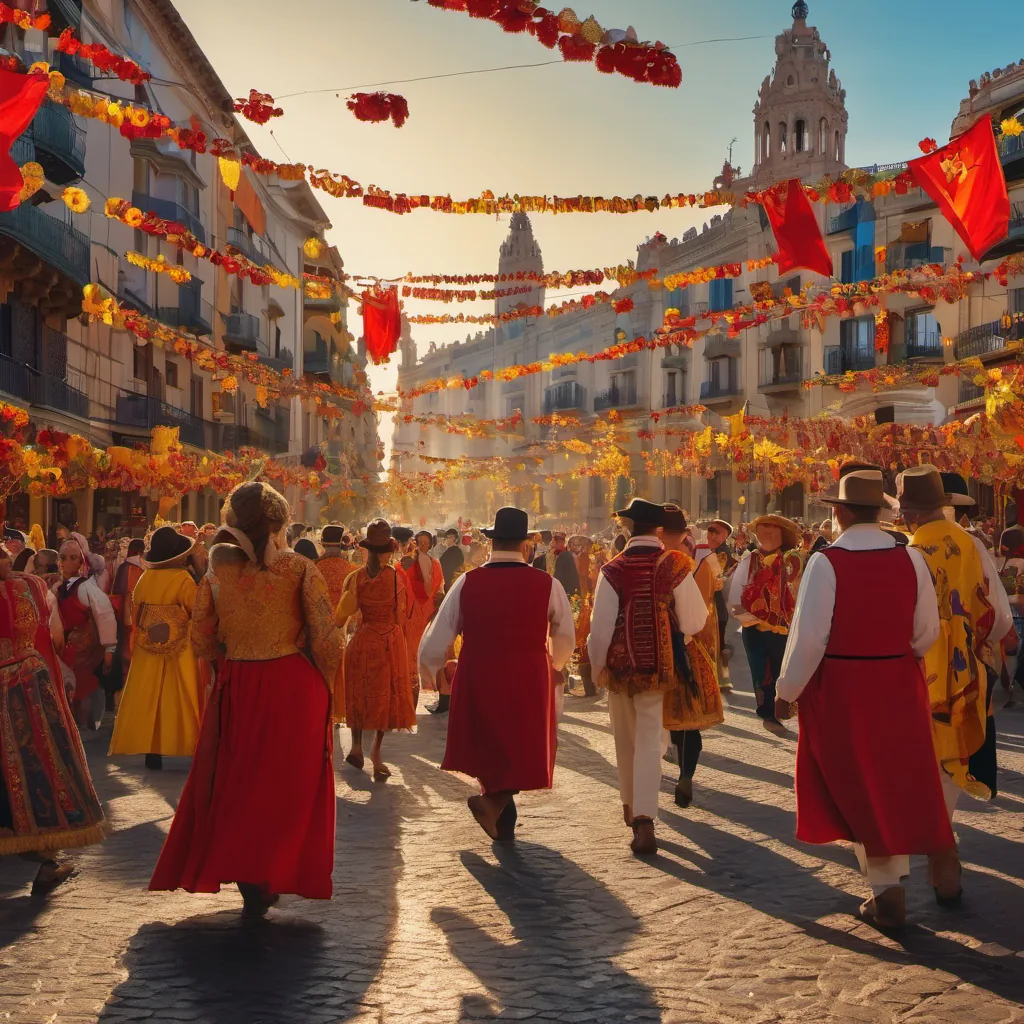
Spain's Most Enchanting Festivals
Discover the vibrant and thrilling festivals of Spain, from the famous La Tomatina food fight to the fiery Las Fallas celebration. Explore unique traditions and cultural heritage that make Spain's festivals truly enchanting.
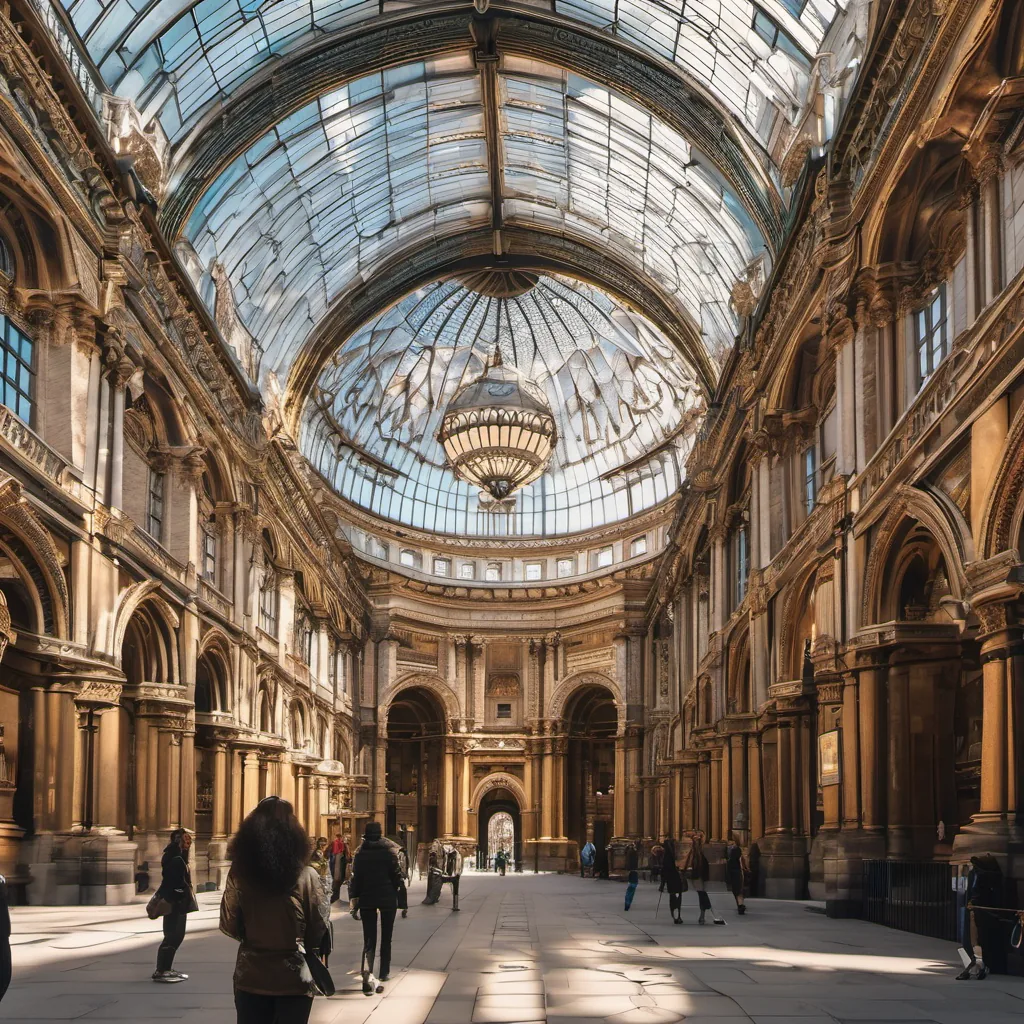
Cultural Travel: Exploring the History of London
London's history spans over 2000 years, from its Roman settlement of Londinium to iconic landmarks like the Tower of London and Westminster Abbey. This cultural travel guide explores the rich tapestry of London's past and its significant historical sites.
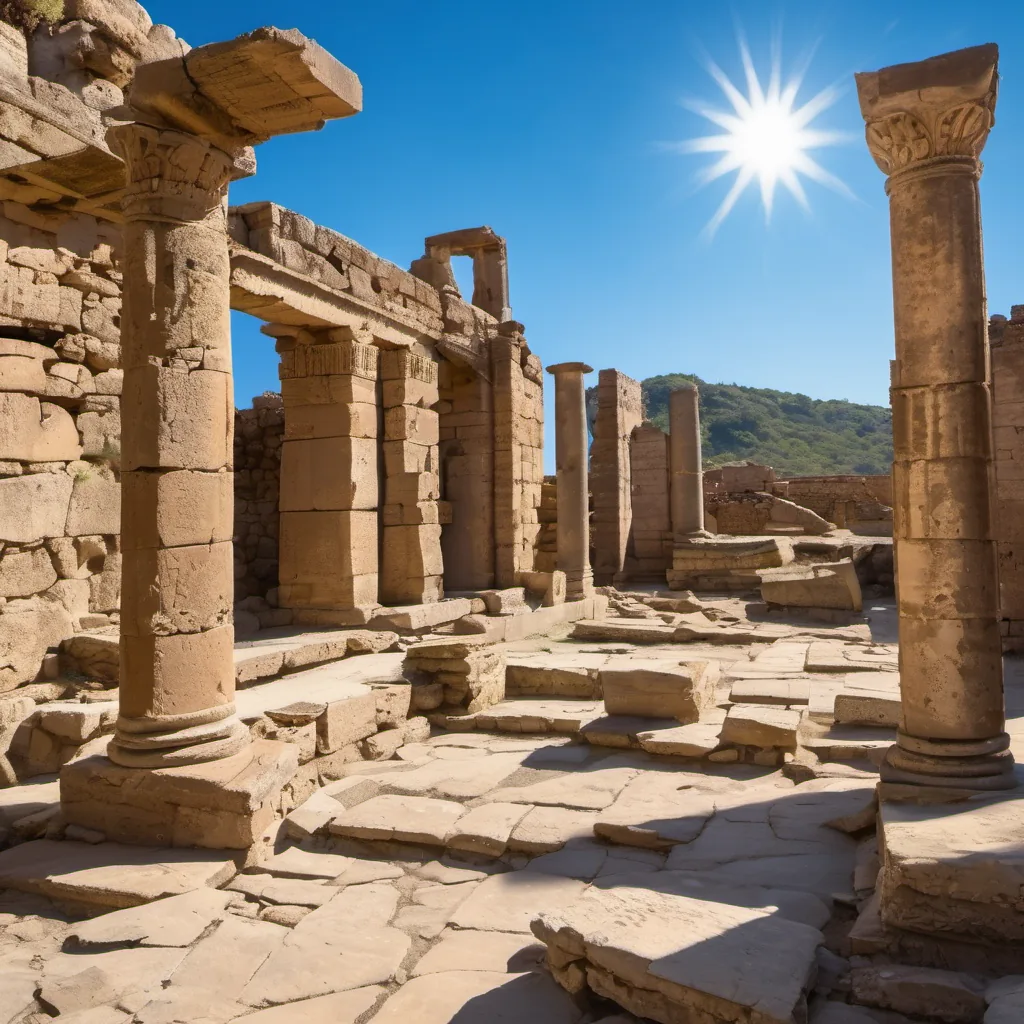
Cultural Experiences: Visiting Ancient Sites in Greece
Exploring ancient sites in Greece offers a unique journey through history and culture. Discover the architectural marvels of the Acropolis, the sacred Oracle of Delphi, and the legendary ruins of Olympia, Knossos, and Mycenae.