Spain's Most Enchanting Festivals
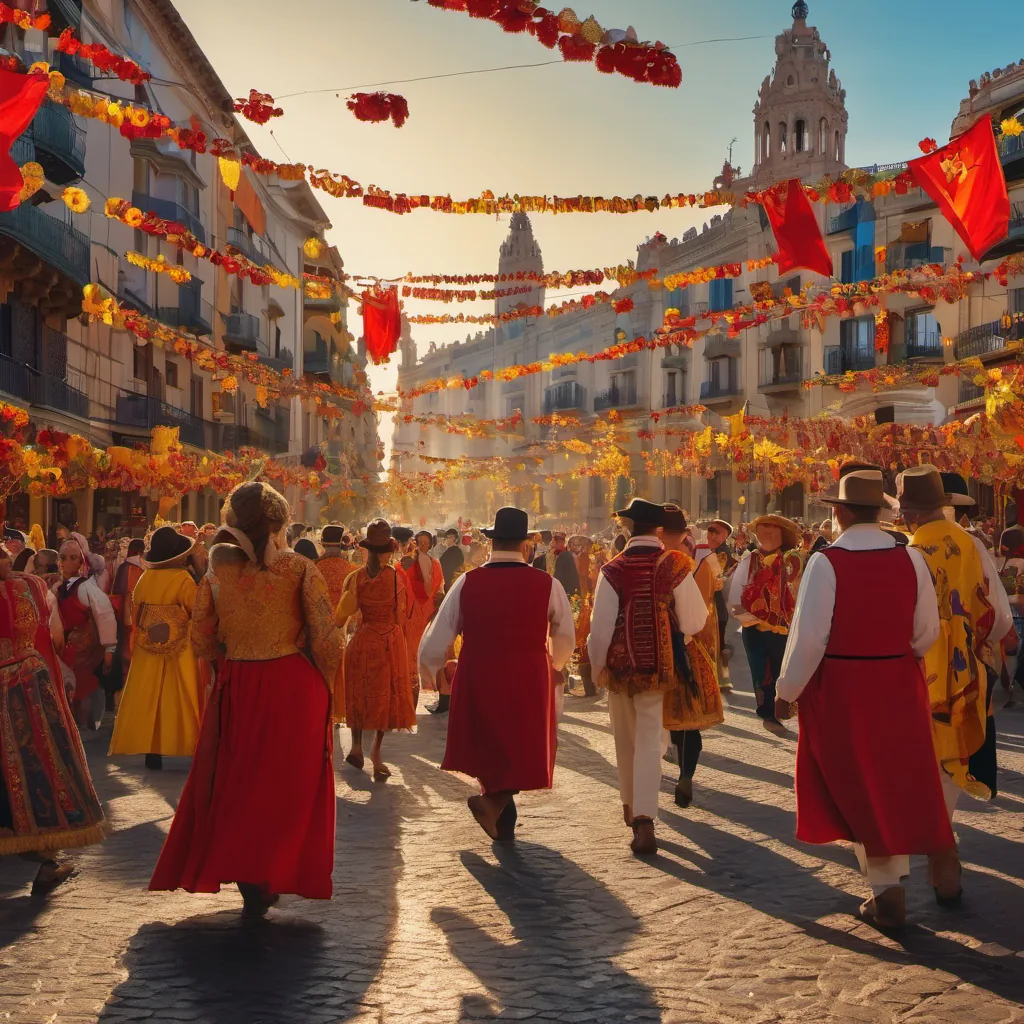
Spain's Most Enchanting Festivals
Spain is a land bursting with vibrant traditions and celebrations. From thrilling food fights to spectacular processions, the country is home to some of the most enchanting festivals in the world. In this article, we will explore a few of these unique events that truly capture the spirit of Spain.
La Tomatina: The World's Biggest Food Fight
Held annually in Buñol on the last Wednesday of August, La Tomatina is perhaps the most famous food fight in the world.
- Participants throw over 150,000 ripe tomatoes at each other, creating a sea of red in the streets.
- The festival lasts for about an hour, filled with laughter, chaos, and a whole lot of squashed tomatoes.
The origins of La Tomatina can be traced back to 1945, when a group of friends started a food fight during a local festival. Since then, it has grown into a global phenomenon, attracting participants from all over the world.
Las Fallas: A Fiery Celebration in Valencia
In March, the city of Valencia comes alive with Las Fallas, a festival celebrated from March 15th to 19th. This event is characterized by its elaborate ninots—giant puppets made of wood and papier-mâché that depict various themes, often satirical in nature.
- The festival culminates on March 19th, the feast day of Saint Joseph, when these spectacular creations are burned in a grand event known as the cremà.
- The celebration includes dazzling fireworks displays, street performances, and traditional music, making it a feast for the senses.
Las Fallas has roots that date back to the Middle Ages and has evolved into a celebration of art and community spirit, drawing tourists from around the globe.
Semana Santa: Holy Week Processions
Semana Santa, or Holy Week, is observed throughout Spain, but the processions in Seville are particularly renowned. This solemn yet beautiful celebration takes place in the week leading up to Easter.
- The processions can last for several hours, with some brotherhoods taking over 12 hours to complete their route.
- Participants, known as penitents, don traditional robes and carry elaborately decorated floats that depict scenes from the Passion of Christ.
The atmosphere during Semana Santa is both reverent and festive. The streets are filled with music, incense, and the solemn sounds of drums, creating a deeply moving experience for all who partake.
Carnival of Santa Cruz de Tenerife: A Colorful Extravaganza
The Carnival of Santa Cruz de Tenerife is celebrated annually, typically starting in February, and is considered the second largest carnival in the world after Rio de Janeiro.
- Attracting over a million visitors, the carnival features extravagant parades, lively music, and colorful costumes.
- It showcases the cultural richness of the Canary Islands, with events including dance competitions, street parties, and the famous election of the carnival queen.
This festive celebration highlights the vibrant spirit of the island and serves as a significant tourist attraction.
San Fermín: The Running of the Bulls in Pamplona
From July 6th to 14th, the city of Pamplona hosts the San Fermín festival, famous for its thrilling Running of the Bulls.
- Every morning, participants run ahead of six bulls through the city streets over an 875-meter course.
- The festival includes other events such as bullfighting, traditional music, and regional cuisine, making it a week-long celebration of Spanish culture.
San Fermín draws thousands of visitors each year, eager to participate in this exhilarating tradition.
Haro Wine Festival: A Colorful Wine Battle
On June 29th, the Haro Wine Festival takes place, celebrating the feast day of Saint Peter. This unique event is famous for its wine battle, where participants drench each other with wine using buckets, squirt guns, and other containers.
- This vibrant celebration involves consuming thousands of liters of wine and is a true spectacle of joy and camaraderie.
- The festival also includes traditional music, parades, and local gastronomy, showcasing the rich winemaking heritage of the La Rioja region.
FAQs about Spain's Festivals
What is the most famous festival in Spain?
La Tomatina in Buñol is known as the most famous festival due to its unique food fight and international recognition.
When does Las Fallas take place?
Las Fallas takes place annually from March 15th to 19th, culminating on the feast day of Saint Joseph.
How long does the Running of the Bulls last?
The Running of the Bulls occurs every morning from July 6th to 14th during the San Fermín festival.
What is the Carnival of Santa Cruz de Tenerife known for?
It is considered the second largest carnival in the world, attracting over a million visitors with its vibrant parades and colorful costumes.
When is the Haro Wine Festival?
The Haro Wine Festival is celebrated annually on June 29th, coinciding with the feast day of Saint Peter.
Spain’s festivals are a testament to the country’s rich culture and tradition. Each event showcases the unique characteristics of its region, inviting locals and tourists alike to join in the celebrations. Whether you’re throwing tomatoes, running with bulls, or dancing in the streets, the enchantment of Spain’s festivals is an experience not to be missed!
Related articles
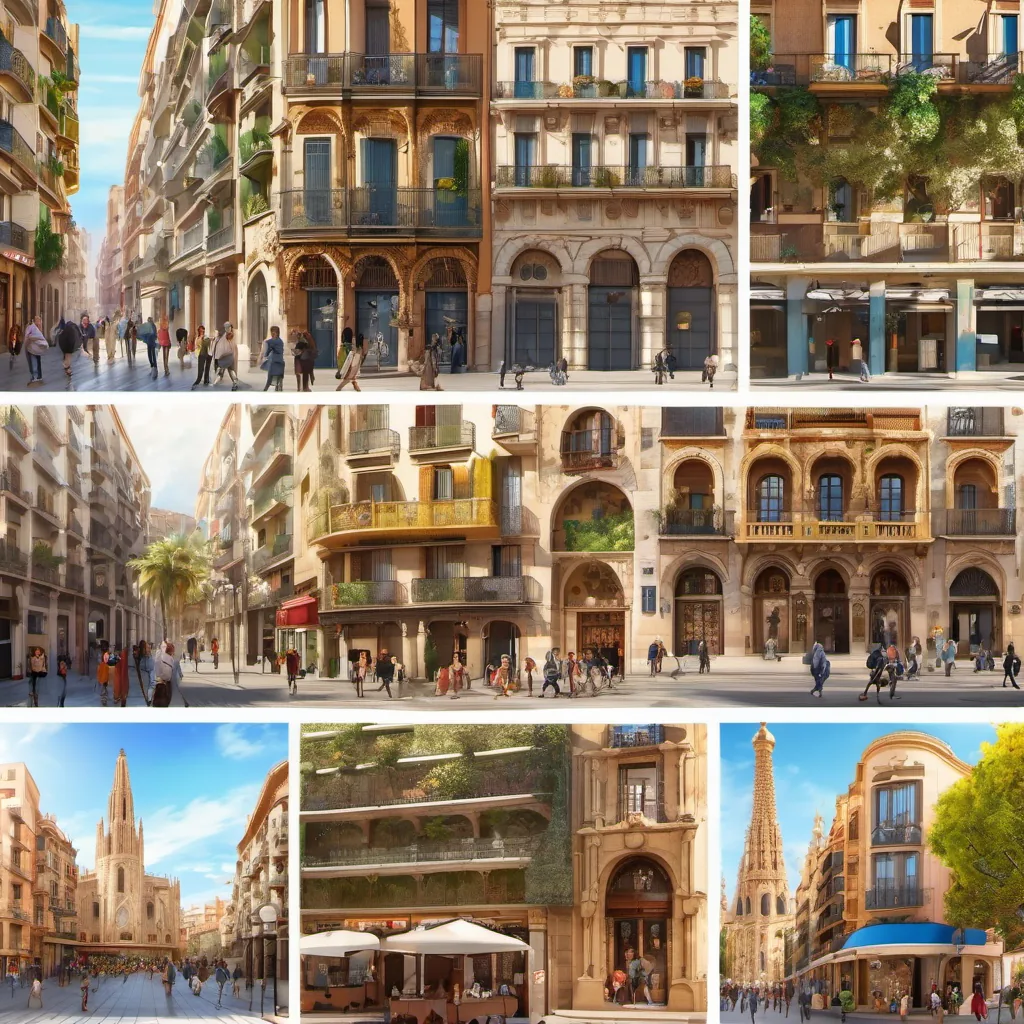
Cultural Experiences in Spain
Spain is a vibrant tapestry of cultural experiences, from the passionate art of Flamenco to the joyous tradition of tapas. Festivals like La Tomatina and Semana Santa further highlight the country's rich heritage.

European Destinations for Families
Discover the top European destinations perfect for family vacations, featuring attractions such as Disneyland Paris, stunning beaches in the Algarve, and rural adventures in Tuscany. Each location offers unique experiences tailored to families, ensuring unforgettable memories.
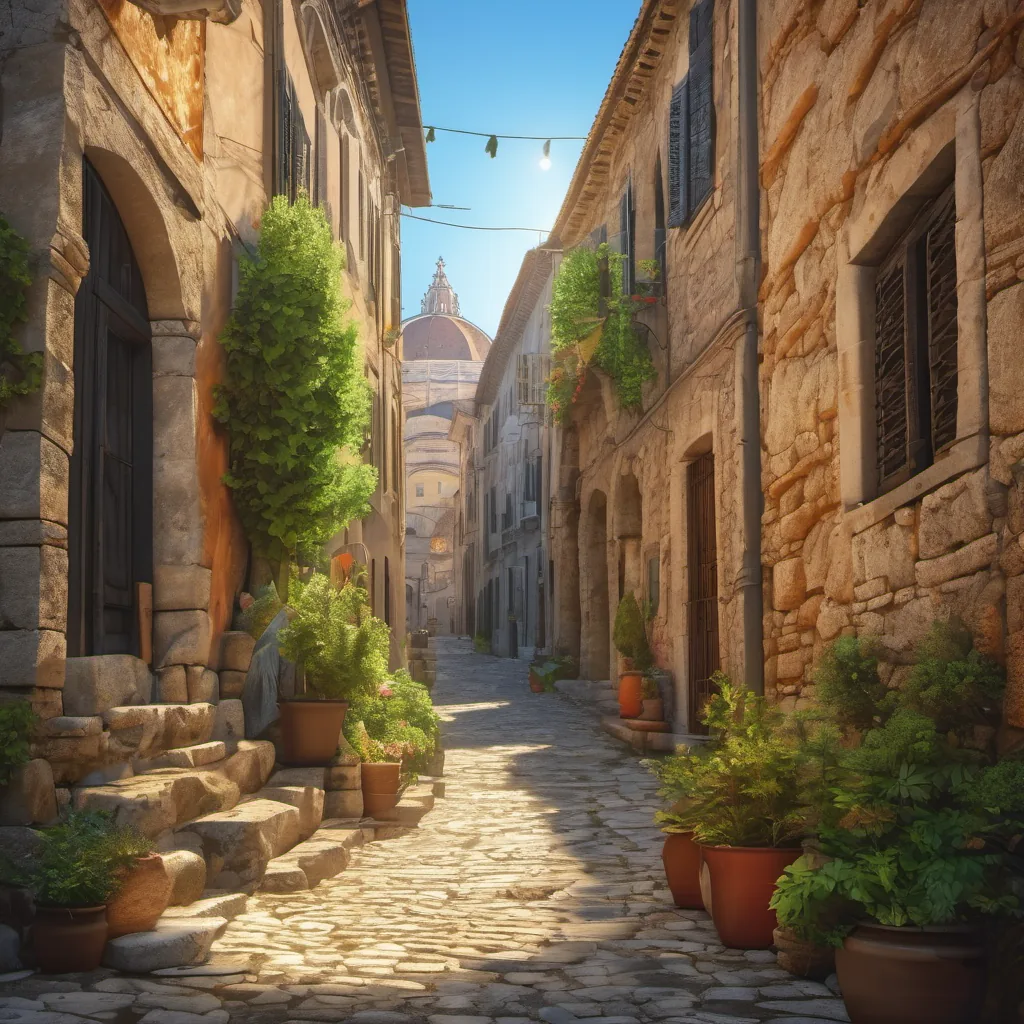
Exploring the Hidden Gems of Italy
Italy is home to countless hidden gems that offer unique experiences. From the colorful island of Procida to the ancient city of Matera, explore the lesser-known treasures that showcase the authentic charm of Italy.