Cultural Experiences in Japan: Beyond the Surface
Traditional Arts & Crafts
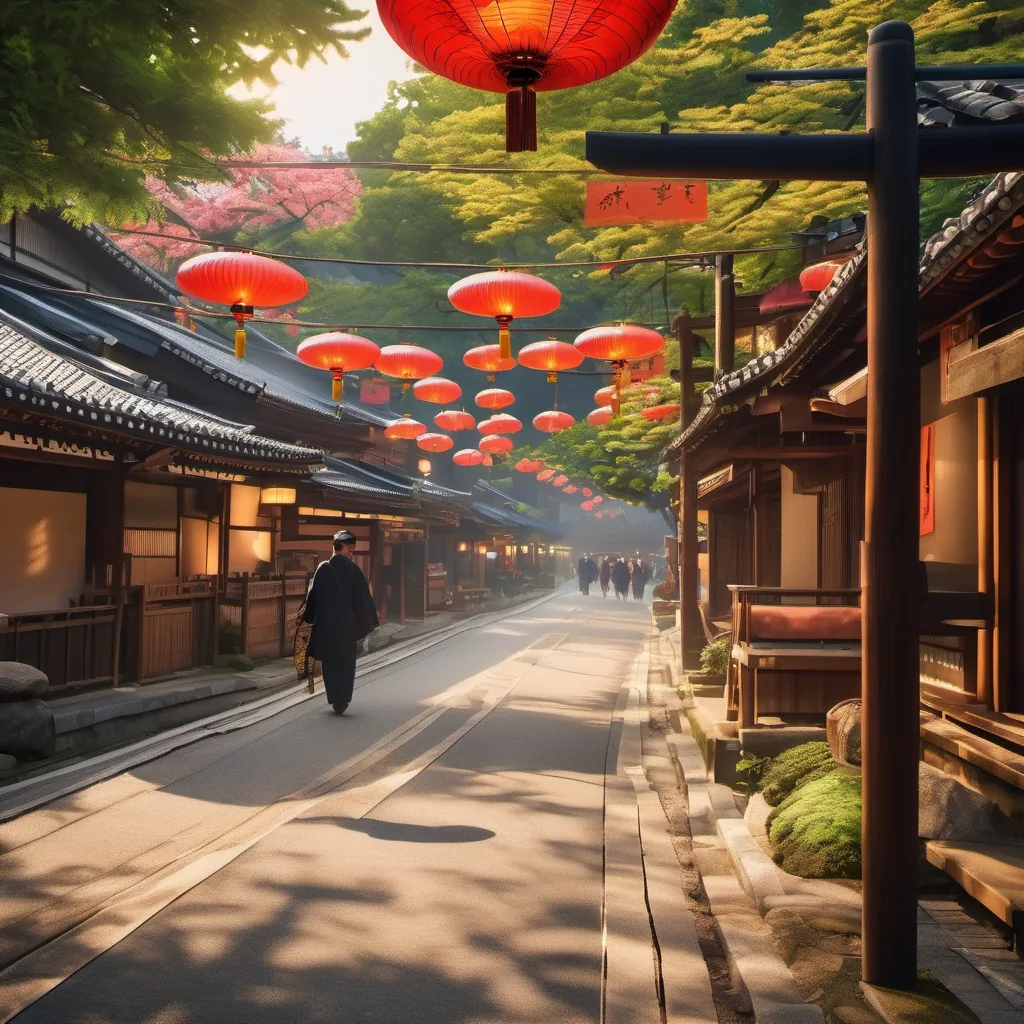
Japan is a country rich in tradition and artistry, where every brushstroke and fold of paper tells a story. Engaging in traditional arts and crafts offers visitors a unique window into the cultural heritage of this fascinating nation.
Calligraphy Workshops (Shodo)
Participating in a calligraphy workshop is an enlightening experience that teaches you the delicate brushstroke techniques and the profound meanings behind kanji characters. These workshops typically focus on proper posture, brush handling, and ink preparation, which allows you to appreciate the connection between language, art, and spirituality. Learning to write kanji not only improves your artistic skills but also deepens your understanding of Japanese culture.
Origami Crafting
Moving from brush to paper, the art of origami transcends simple creations, providing insights into complex geometric forms and symbolic meanings. In a typical origami session, you might start with a square piece of paper measuring 15cm x 15cm. You will learn to fold traditional shapes like the crane, which represents longevity and good fortune. The precision required in folding intricately designed shapes teaches the importance of patience and attention to detail, core values in Japanese culture.
Spiritual & Religious Experiences
Japan's spiritual landscape is as diverse as its cultural practices. Engaging in spiritual experiences provides profound insights into the philosophies that shape Japanese society.
Temple Lodging (Shukubo)
Staying in a Shukubo (temple lodging) offers a rare chance to experience monastic life firsthand. Guests can enjoy Shojin Ryori, a vegetarian cuisine that features dishes made with tofu, vegetables, and seaweed, often dating back centuries. This immersive experience includes meditation sessions (Zazen) and morning prayers, allowing for a deep dive into Buddhist teachings and practices. Often found in areas like Koyasan, Shukubo accommodations can transform your understanding of tranquility and simplicity.
Local Festivals (Matsuri)
In addition to temple experiences, visiting a local Matsuri (festival) is an exhilarating way to immerse yourself in community life. Festivals like the Awa Odori in Tokushima, which attracts over 1.2 million visitors annually in mid-August, showcase traditional music, dance, food stalls, and parades. These celebrations often feature purification rituals and offerings at shrines, providing unique insights into Shinto and Buddhist practices, while also allowing you to engage with the vibrant local culture.
Culinary Adventures
Japanese cuisine is a delightful journey through flavors, textures, and traditions. Participating in culinary experiences enhances your understanding of this gastronomic culture.
Cooking Classes
Taking a cooking class focused on regional cuisine, such as Osaka's Takoyaki or Hiroshima's Okonomiyaki, allows you to gain hands-on experience with local ingredients and culinary techniques. Classes typically last between 2-4 hours and emphasize the preparation and cooking of authentic dishes, revealing the diverse flavors of Japan. You'll not only learn how to cook but also discover the stories behind each dish.
Traditional Tea Ceremony (Chado)
Finally, attending a traditional tea ceremony (Chado) is a captivating experience that elucidates the etiquette, aesthetics, and philosophy of 'wa' (harmony). The ceremony typically lasts around 45 minutes to an hour and is steeped in mindfulness and precise movements. Different schools of tea ceremony, such as Urasenke and Omotesenke, offer unique approaches that highlight the significance of each element involved in the ceremony.
Frequently Asked Questions (FAQ)
What is the significance of the tea ceremony in Japanese culture?
The tea ceremony emphasizes mindfulness, harmony, and aesthetics, serving as a reflection of Japanese values and etiquette.
How long does a calligraphy workshop last?
Calligraphy workshops usually last between 1-2 hours, allowing participants to practice basic techniques.
What is Shojin Ryori?
Shojin Ryori is a traditional vegetarian cuisine served in temples, emphasizing simplicity and seasonal ingredients.
How many calories do sumo wrestlers consume?
Sumo wrestlers consume approximately 20,000 calories per day to maintain their size and strength.
When is the Awa Odori festival held?
The Awa Odori festival in Tokushima is held annually in mid-August and attracts over 1.2 million visitors.
How many temples and shrines are in Kyoto?
Kyoto boasts over 1,600 Buddhist temples and 400 Shinto shrines, making it a hub of religious heritage in Japan.
Related articles
Cultural Travel: Immersive Experiences in Italy
Experience the rich culture of Italy through immersive activities like pasta making in Bologna, art tours in Florence, and opera nights in Milan. Discover the traditions and festivals that define this beautiful country.
The Best of Japan's Cultural Heritage
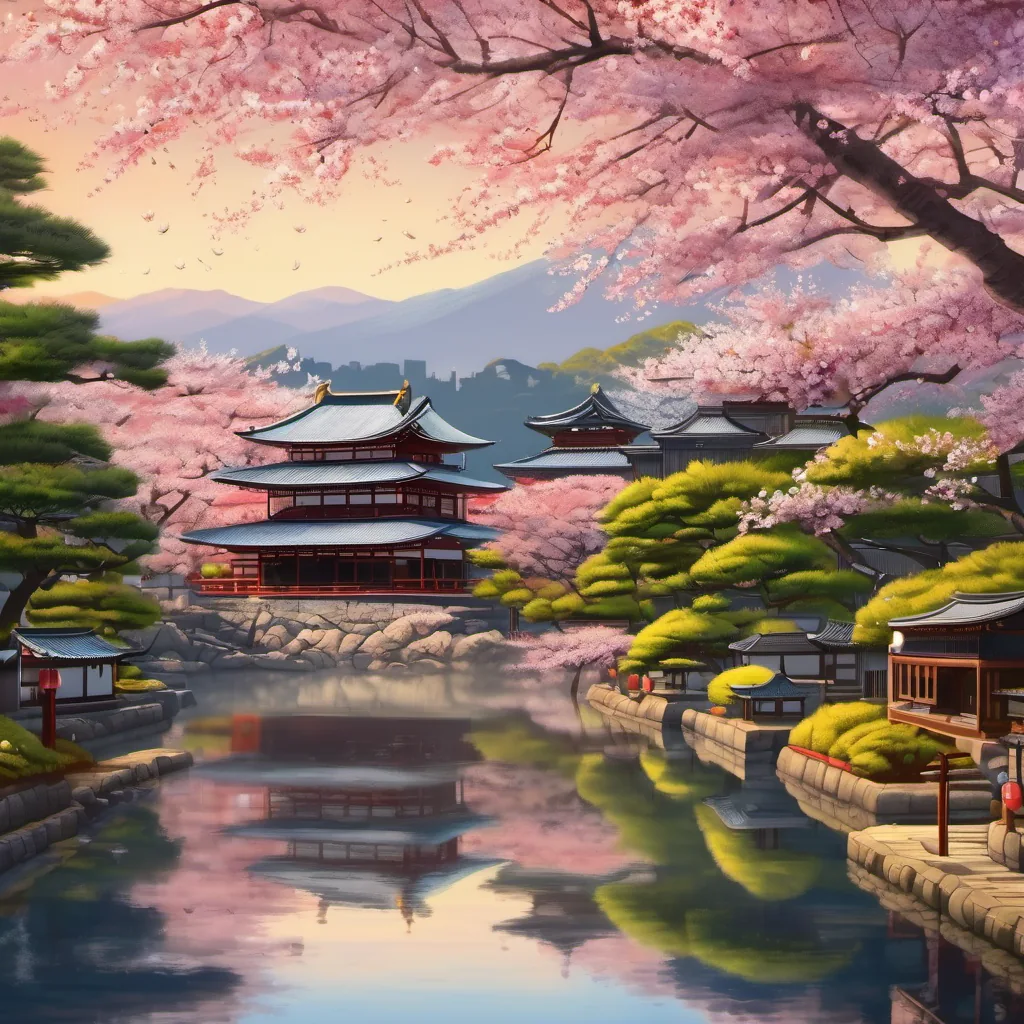
Explore the rich cultural heritage of Japan through its iconic temples, shrines, castles, and monuments. This article highlights significant sites such as Kiyomizu-dera, Fushimi Inari-taisha, Himeji Castle, and more, reflecting Japan's historical and spiritual depth.

Cultural Experiences in Spain
Spain is a vibrant tapestry of cultural experiences, from the passionate art of Flamenco to the joyous tradition of tapas. Festivals like La Tomatina and Semana Santa further highlight the country's rich heritage.