The Best of Japan's Cultural Heritage
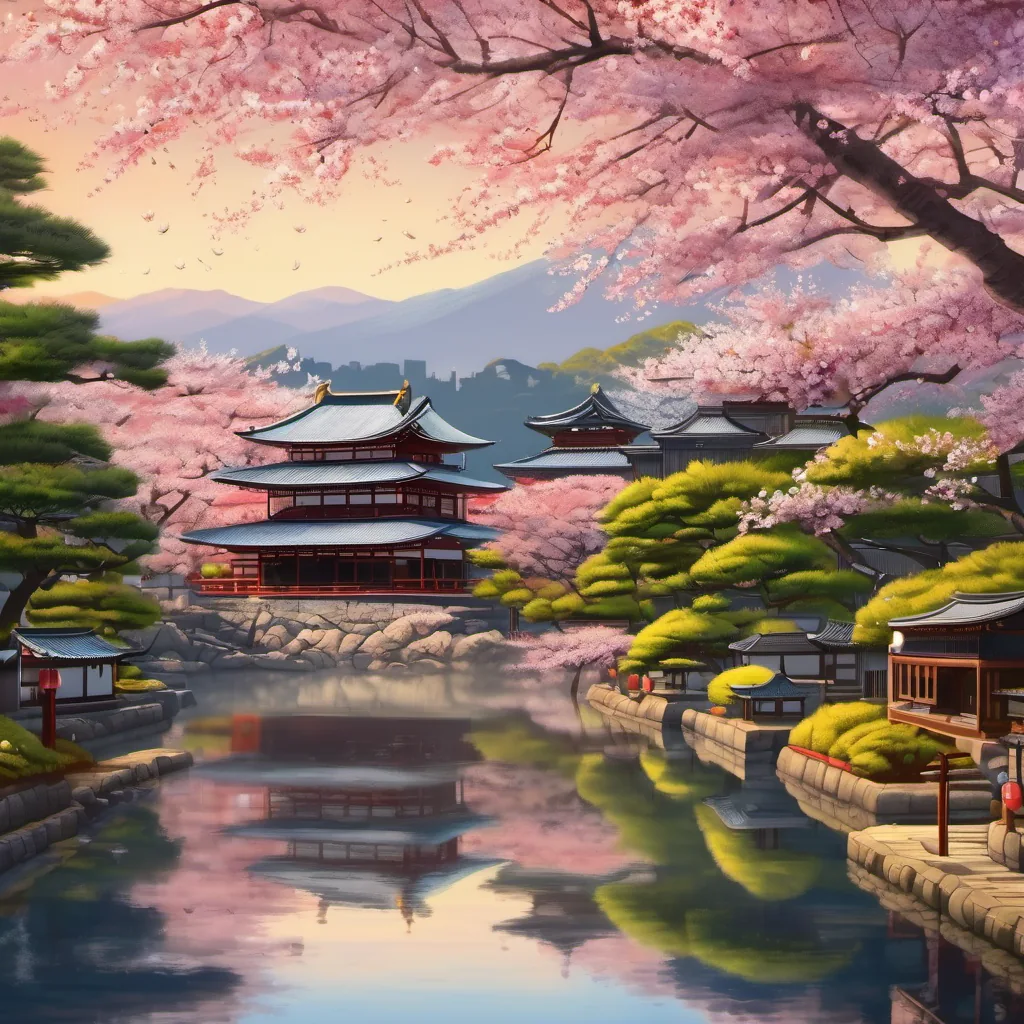
Sacred Spaces: Temples and Shrines
Kiyomizu-dera
Kiyomizu-dera Temple, founded in 778, stands as one of Kyoto's most celebrated landmarks. The temple's main hall, rebuilt in 1633, features a stunning wooden stage that juts out over the hillside, offering breathtaking panoramic views of the city and the surrounding nature. At the base of the temple, visitors flock to the Otowa Waterfall, where they can drink from its three streams—each said to grant health, longevity, and success. This ancient temple not only showcases exquisite architecture but also embodies the deep spiritual and cultural significance of Buddhism in Japan.
Fushimi Inari-taisha
Similarly, Fushimi Inari-taisha Shrine, also located in Kyoto, is renowned for its thousands of vermilion torii gates that wind their way up the sacred Inari Mountain. With over 10,000 gates, each donated by individuals or companies, this shrine vividly represents devotion to Inari, the deity of rice and agriculture. As visitors walk through the vibrant gates, they experience a unique sense of tranquility and connection to nature, making this site a must-visit for anyone exploring Japan's spiritual heritage.
Historical Landmarks: Castles and Monuments
Himeji Castle
Transitioning from sacred spaces to historical landmarks, Himeji Castle, often referred to as the 'White Heron Castle' due to its elegant white exterior, exemplifies traditional Japanese castle architecture. Originally built in the 14th century, it has undergone significant expansions and renovations over the centuries. Major restoration work from 2009 to 2015 has preserved its beauty and structural integrity, allowing visitors to appreciate both its defensive strategies and architectural brilliance. This castle is not only an important historic site but also a symbol of Japan’s feudal past.
Hiroshima Peace Memorial
In stark contrast, the Hiroshima Peace Memorial, also known as the Genbaku Dome, serves as a poignant reminder of the atomic bombing that occurred on August 6, 1945. Originally the Hiroshima Prefectural Industrial Promotion Hall, the dome was positioned approximately 600 meters (2,000 ft) from the epicenter of the blast, which claimed the lives of an estimated 140,000 people by the end of that year. Today, this memorial stands as a powerful symbol of peace, urging visitors to reflect on the devastating consequences of war and the importance of promoting peace worldwide.
Iconic Symbols: Buddha and Gates
Great Buddha of Kamakura
Moving on to iconic symbols, the Great Buddha of Kamakura (Kamakura Daibutsu) is a monumental bronze statue of Amida Buddha, cast in 1252. Standing at approximately 13.35 meters (43.8 ft) tall and weighing around 93 tons, this statue is not only a religious icon but also a masterpiece of artistic achievement. The serene expression and intricate details of the statue attract visitors from around the world, inviting them to contemplate its spiritual significance and Japan's Buddhist heritage.
Itsukushima Shrine
Finally, the Itsukushima Shrine, located on Miyajima Island, is famous for its 'floating' torii gate, which appears to rise out of the sea during high tide. Established in 593, the current gate dates from 1875 and is an architectural marvel that embodies the deep connection between Shinto beliefs and the natural world. Visitors are captivated by the beauty of the shrine and its harmonious relationship with the surrounding waters, making it one of Japan's most photographed sites.
FAQ
What is Kiyomizu-dera famous for?
Kiyomizu-dera is famous for its wooden stage that offers panoramic views and the Otowa Waterfall, where visitors drink from three streams for health, longevity, and success.
How many torii gates are at Fushimi Inari-taisha?
Fushimi Inari-taisha has over 10,000 torii gates donated by individuals and companies, creating a breathtaking path up the mountainside.
What is the significance of the Great Buddha of Kamakura?
The Great Buddha of Kamakura is a significant religious symbol in Japan, representing Amida Buddha and showcasing the artistry of the Kamakura period.
Why is Himeji Castle called 'White Heron Castle'?
Himeji Castle is called 'White Heron Castle' due to its stunning white exterior, which resembles a heron in flight, and is celebrated as a masterpiece of Japanese castle architecture.
What does the Hiroshima Peace Memorial represent?
The Hiroshima Peace Memorial represents the tragic consequences of nuclear warfare and serves as a powerful symbol of peace and a reminder of the need for nuclear disarmament.
Related articles
Cultural Experiences in Japan: Beyond the Surface
Explore the rich cultural experiences Japan has to offer, from traditional arts like calligraphy and origami to culinary adventures and spiritual lodgings. This article highlights unique activities that provide deeper insights into Japanese culture.

The Best of Europe for Families
Explore the best of Europe for families through iconic cities, coastal adventures, and breathtaking mountain escapes. Discover fun attractions, historical sites, and beautiful landscapes that cater to all ages.
Adventure in Egypt: Exploring Pyramids and Temples
Explore the wonders of ancient Egypt, from the Great Pyramid of Giza to the temples of Luxor and the remarkable Abu Simbel. This blog dives into the history, architecture, and culture of Egypt's most iconic sites.