Adventure Travel: Trekking in the Alps
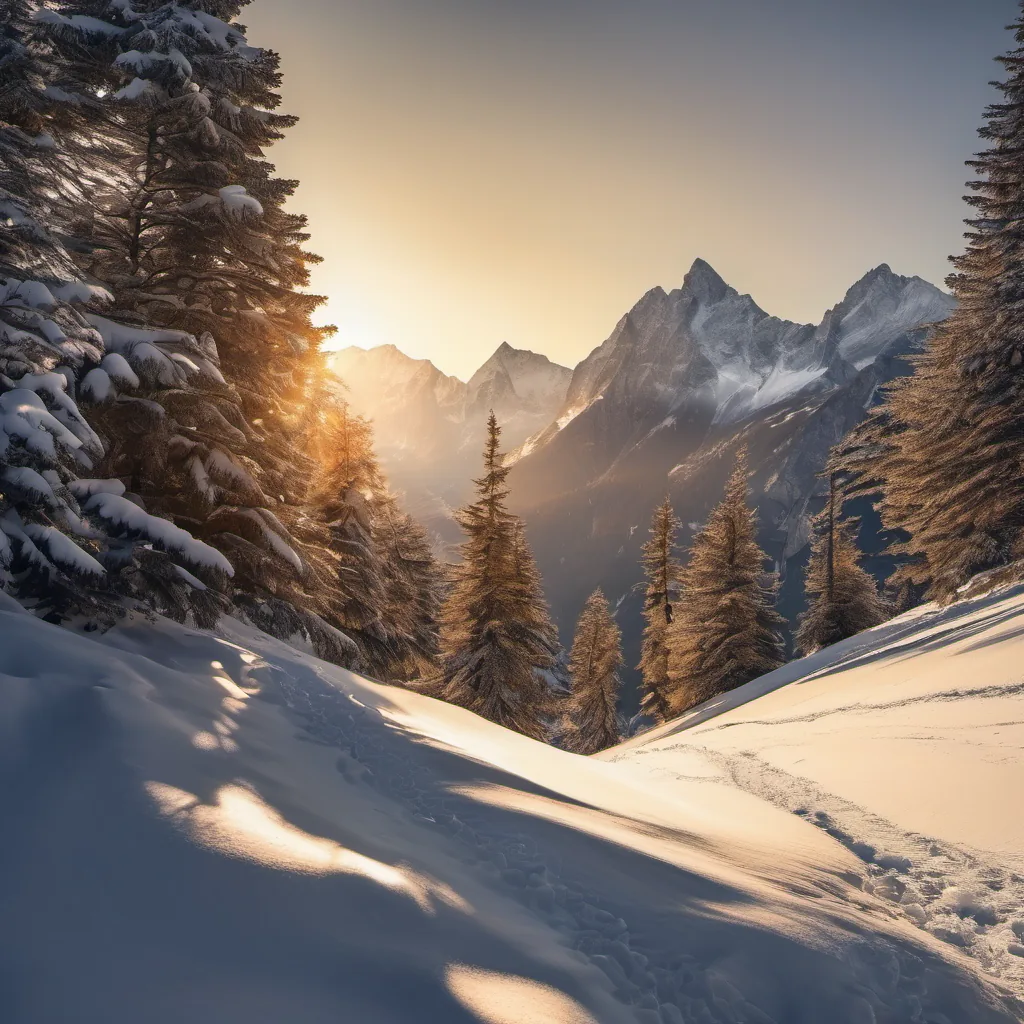
Adventure Travel: Trekking in the Alps
The Alps are not just a mountain range; they are a playground for adventure seekers. With breathtaking landscapes, diverse terrains, and a variety of trekking routes, the Alps offer something for every outdoor enthusiast. In this article, we'll explore some of the most popular trekking routes, how to prepare for your alpine adventure, and essential safety considerations to keep in mind.
Popular Trekking Routes
Tour du Mont Blanc
The Tour du Mont Blanc is a classic long-distance trek that circles the Mont Blanc massif, which stands at 4,808 meters (15,774 feet) above sea level. This iconic route typically takes 10-12 days to complete, covering approximately 170 kilometers (106 miles) with an ascent of around 10,000 meters (33,000 feet). Trekking through three countries—France, Italy, and Switzerland—this path offers a unique blend of cultures, stunning views, and the chance to savor local cuisine along the way.
Haute Route
For those seeking an even more challenging adventure, the Haute Route connects Chamonix, France, to Zermatt, Switzerland. Renowned for its breathtaking glacier views, this high-altitude trek usually takes 12-14 days to complete, covering about 200 kilometers (124 miles). Due to its technical nature and high-altitude traverses, it often necessitates mountaineering experience or the guidance of a professional.
Alternative Routes
If you prefer a less technical yet equally stunning experience, consider the Walker’s Haute Route. This alternative focuses on hiking trails, providing spectacular scenery without extensive glacier travel. Additionally, the Dolomites in Italy present another fantastic option, featuring Via Ferrata routes—protected climbing paths equipped with steel cables, ladders, and bridges, perfect for climbers who are comfortable with heights.
Hut-to-Hut Treks in Austria
The Austrian Alps boast numerous hut-to-hut treks, such as the Eagle Walk (Adlerweg) in Tyrol. Spanning 413 kilometers (257 miles) and divided into 33 stages, this trek offers well-maintained trails and comfortable accommodations in mountain huts. This allows for multi-day adventures without the burden of heavy camping gear, making it an excellent choice for those who enjoy a more comfortable trekking experience.
Exploring the Slovenian Alps
For a less crowded trekking experience, head to the Slovenian Alps, particularly around Triglav National Park, established in 1924. This park covers 880 square kilometers (340 square miles) and features diverse landscapes, including turquoise lakes, verdant valleys, and rugged peaks—ideal for those seeking solitude and natural beauty.
Preparing for Your Alpine Trek
Physical Fitness
Before venturing into the Alps, it's crucial to prepare physically. Regular hiking, combined with cardio training, will help build the stamina and strength needed for tackling challenging terrain. Start with shorter hikes and gradually increase your distance and elevation gain to ensure you are adequately prepared.
Essential Gear
Investing in the right gear is essential for a successful trekking experience. Here’s a checklist of items you will need:
- Sturdy hiking boots: Ensure they are broken in before your trek.
- Waterproof clothing: To protect against sudden rain and snow.
- Map and compass (or GPS device): Essential for navigation in remote areas.
- First-aid kit: Always be prepared for minor injuries.
- Sufficient food and water: Pack high-energy snacks and hydrate regularly.
Safety Considerations
Weather Awareness
The weather in the Alps can be unpredictable. It is essential to monitor forecasts closely and be prepared for sudden changes in conditions. Always carry extra layers to stay warm and dry, as this can make a significant difference in your comfort and safety.
Altitude Sickness
As you ascend, your body needs time to acclimatize to the higher altitudes. To minimize the risk of altitude sickness, ascend gradually and be aware of the symptoms, which include headaches, nausea, and dizziness. If you experience these symptoms, it is crucial to descend to a lower altitude immediately for your safety.
Frequently Asked Questions (FAQ)
What is the best time to trek in the Alps?
The best time for trekking in the Alps is typically from late June to early September, when the trails are clear of snow and the weather is generally stable. This window offers the most favorable conditions for hikers.
Do I need a guide for these treks?
While some routes can be tackled independently, certain paths, such as the Haute Route, may require a guide due to their technical nature. Always assess your skill level and experience before deciding whether to go solo or seek assistance.
How do I prepare for altitude?
Gradual ascent is key. Spend a few days at a moderate altitude before tackling higher elevations, and ensure you stay hydrated throughout your journey.
Conclusion
Trekking in the Alps is a breathtaking adventure that promises stunning views and unforgettable experiences. From the majestic Mont Blanc to the serene landscapes of Slovenia, there’s a trek for everyone. With proper preparation, the right gear, and a keen awareness of safety, you can embark on an adventure of a lifetime in one of the world’s most beautiful mountain ranges.
Related articles
Adventure Travel: Mountain Climbing in Switzerland
Switzerland is a premier destination for mountain climbing enthusiasts. From beginner-friendly via ferratas to the challenging ascent of the Matterhorn, this guide highlights essential planning, popular regions, and safety tips.
Adventure Travel: Extreme Sports in Costa Rica
Costa Rica is a paradise for adventure seekers, offering a diverse range of extreme sports set against stunning natural backdrops. From whitewater rafting to ziplining and surfing, discover the thrilling activities that await you in this Central American gem.
Adventure Travel: The Best Hiking Destinations
Explore the best hiking destinations around the world, from the Everest Base Camp Trek in Nepal to the Inca Trail in Peru. Discover essential preparation tips, safety practices, and breathtaking trails that promise adventure and stunning scenery.