Adventure Travel: The Best Hiking Destinations
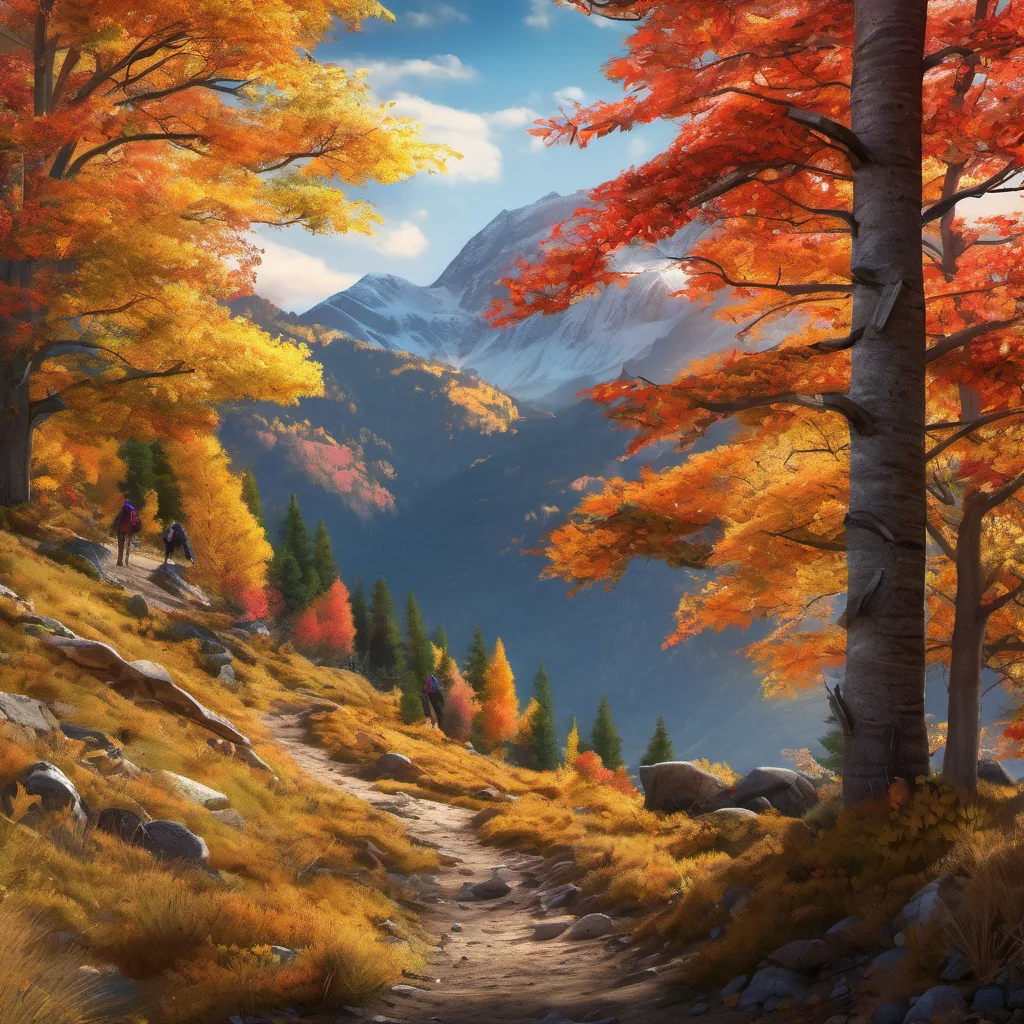
Preparing for Your Hiking Adventure
Adventure travel is exhilarating, but preparation is key to ensuring your hiking experience is both safe and enjoyable. Here are some essential steps to take before you hit the trail:
Research Your Trail
- Fitness Level and Experience: Choose a hiking trail that matches your physical ability and experience. Consider factors such as elevation gain, distance, and terrain difficulty.
- Trail Information: Familiarize yourself with the trail's features, including its altitude and environmental conditions. For instance, the Everest Base Camp Trek reaches an altitude of 5,364 meters (17,598 feet), presenting challenges for unprepared trekkers.
Permits and Reservations
- Necessary Permits: Many popular trails require permits, which can cost anywhere from $50 to $200 USD. For example, the Everest Base Camp Trek requires this permit depending on the trekking agency and the season.
- Advance Booking: Some trails, like the Inca Trail, limit access to 500 permits per day, including trekkers, guides, and porters. These must be booked months in advance to secure your spot.
Packing the Right Gear
- Essential Gear: Invest in sturdy hiking boots, moisture-wicking clothing, a waterproof jacket, a first-aid kit, and navigation tools like a map or GPS device.
- Weight Considerations: Aim for a balanced pack that doesn't exceed 20% of your body weight. This balance is crucial for maintaining stamina throughout your trek.
Top Hiking Destinations Around the World
Hiking enthusiasts are spoiled for choice when it comes to breathtaking trails across the globe. Here are some of the best hiking destinations:
Everest Base Camp Trek, Nepal
- Distance: Approximately 130 kilometers (81 miles) round trip.
- Highlights: Enjoy stunning views of the Himalayas and experience the unique Sherpa culture. The trek typically takes 12 to 14 days to complete.
Inca Trail, Peru
- Distance: About 43 kilometers (26 miles) over four days.
- Ecosystems: This trail traverses diverse ecosystems, from highland grasslands to lush forests, culminating at the ancient ruins of Machu Picchu.
- Booking: Remember, permits are limited; secure yours well in advance to ensure a spot.
Tour du Mont Blanc, Europe
- Distance: Roughly 170 kilometers (106 miles).
- Countries: The trek crosses through France, Italy, and Switzerland, taking about 10 to 12 days to complete.
- Highest Point: The Col des Fours at 2,665 meters (8,743 feet) offers breathtaking panoramic views that are not to be missed.
Appalachian Trail, USA
- Distance: Approximately 3,500 kilometers (2,190 miles) from Georgia to Maine.
- History: Completed in 1937, this trail is maintained by 31 trail clubs and partnerships, offering a rich mix of nature and history.
Milford Track, New Zealand
- Distance: 53.5 kilometers (33.2 miles), typically completed in four days.
- Scenery: Renowned for its rainforests, waterfalls, and majestic mountain landscapes, the Milford Track is a must-do for nature lovers.
- Cost: Guided tours generally range from $300 to $500 NZD per person, which includes hut accommodations.
Laugavegur Trail, Iceland
- Distance: 55 kilometers (34 miles).
- Unique Landscapes: Known for colorful rhyolite mountains, black obsidian lava fields, and hot springs, this trail is best hiked between late June and September, with temperatures ranging from 5 to 15°C (41 to 59°F).
Safety and Responsible Hiking Practices
Ensuring your safety and minimizing your environmental impact should be a top priority while hiking. Here are some best practices to follow:
Check Weather Conditions
- Forecasts: Always check the weather before and during your hike. Be prepared for changing conditions, especially at high altitudes where weather can shift rapidly.
Stay on Marked Trails
- Minimize Impact: Staying on designated paths helps protect the environment and reduces the risk of getting lost. Taking shortcuts can lead to trail erosion and habitat destruction.
Practice Leave No Trace
- Environmental Responsibility: Follow the Leave No Trace principles by packing out all trash, minimizing campfire impacts, and respecting wildlife. This ensures that beautiful hiking spots remain pristine for future adventurers.
FAQs
What is the best time to hike the Inca Trail?
The best time to hike the Inca Trail is from May to September, during the dry season when conditions are more favorable.
How difficult is the Everest Base Camp Trek?
The trek is considered challenging due to its altitude and long duration, requiring good physical fitness and acclimatization to high altitudes.
Can I hike the Appalachian Trail in sections?
Yes, many hikers complete the Appalachian Trail in sections, allowing them to enjoy different parts of the trail over time.
Are guided tours recommended for the Milford Track?
While the track can be hiked independently, guided tours are recommended for an enhanced experience, including local insights and ensuring safety.
How do I prepare for changing weather while hiking?
Layering your clothing, checking forecasts, and being ready with waterproof and warm gear can help you adapt to changing weather conditions during your hike.
Related articles
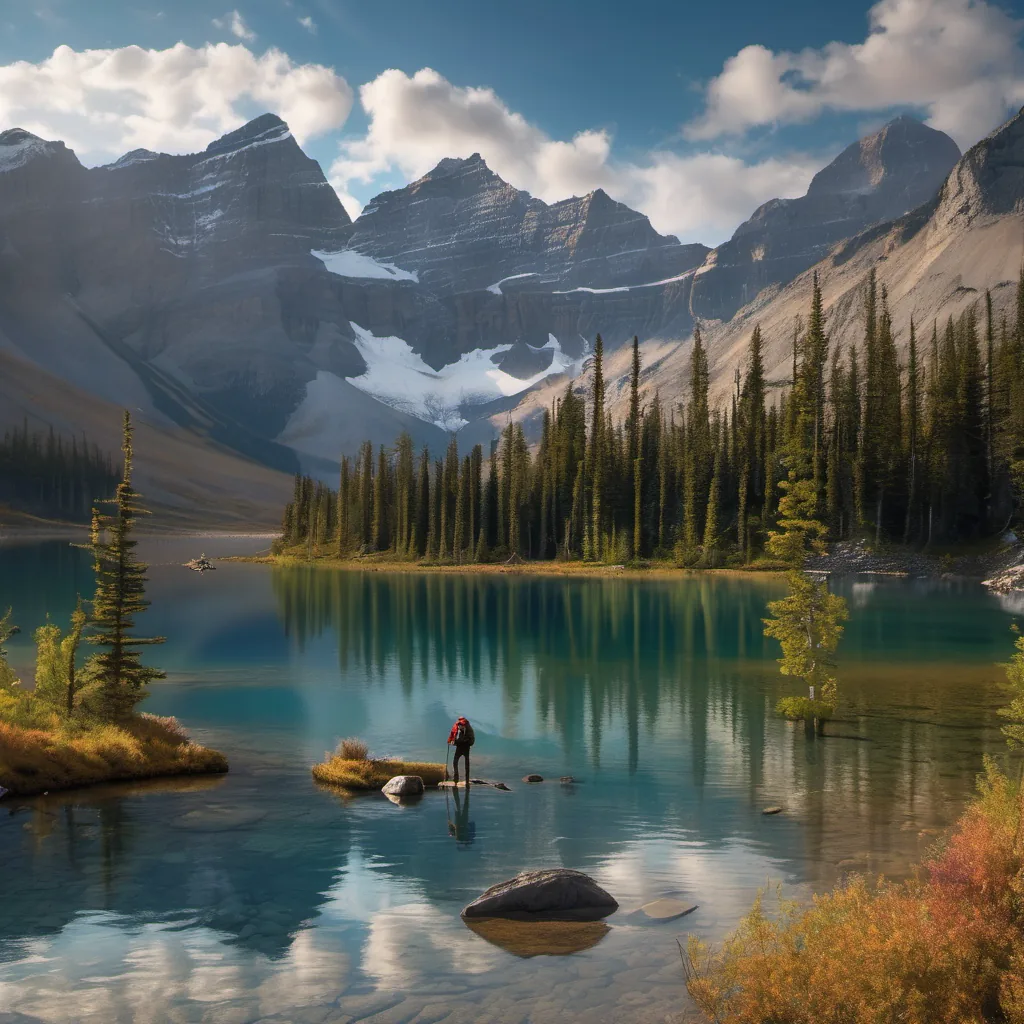
Adventure in the Canadian Rockies
Discover the breathtaking adventures waiting in the Canadian Rockies, from hiking trails in Banff National Park to canoeing on the turquoise waters of Lake Louise. Experience the stunning landscapes and diverse wildlife that make this region a must-visit for outdoor enthusiasts.
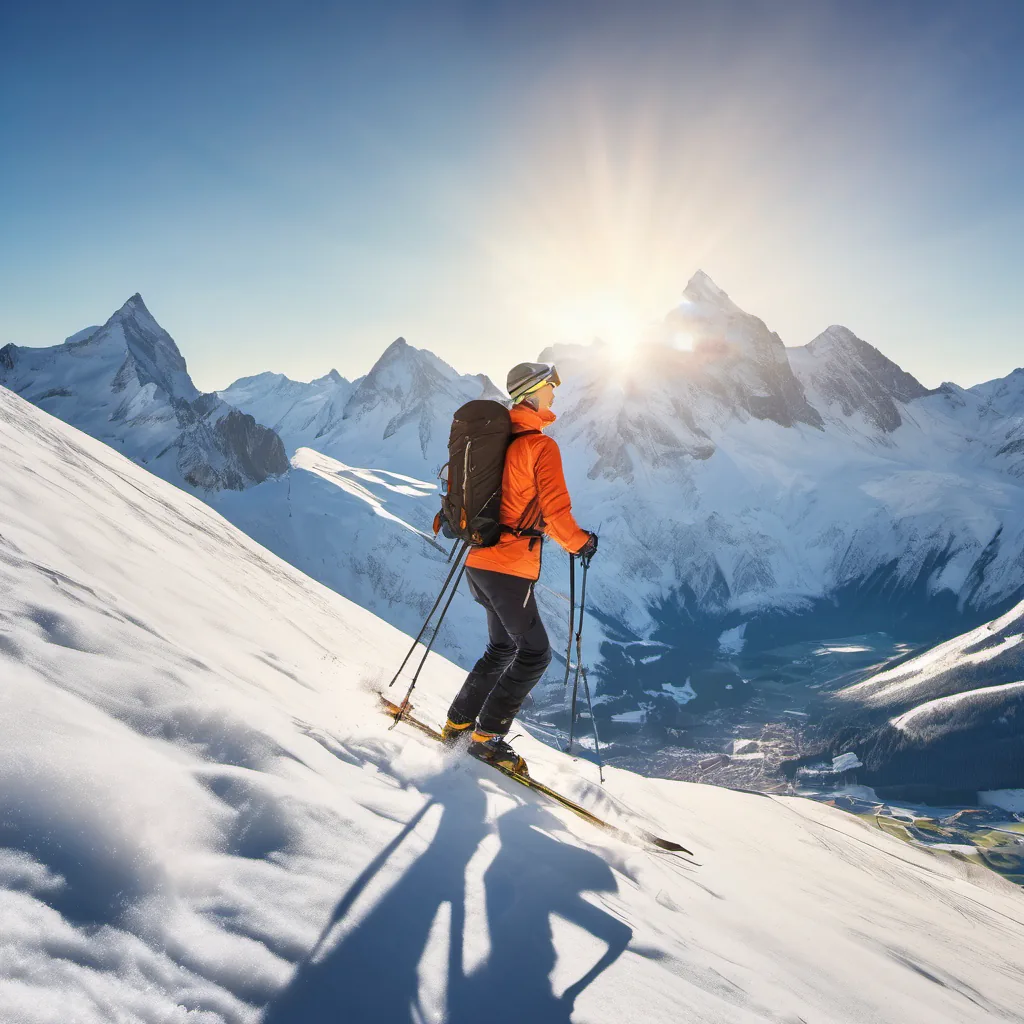
Adventure in the Swiss Alps: Hiking and Skiing
The Swiss Alps beckon adventure seekers with their breathtaking landscapes and diverse outdoor activities. From hiking in the Jungfrau Region to skiing in St. Moritz, discover the best experiences the Alps have to offer.
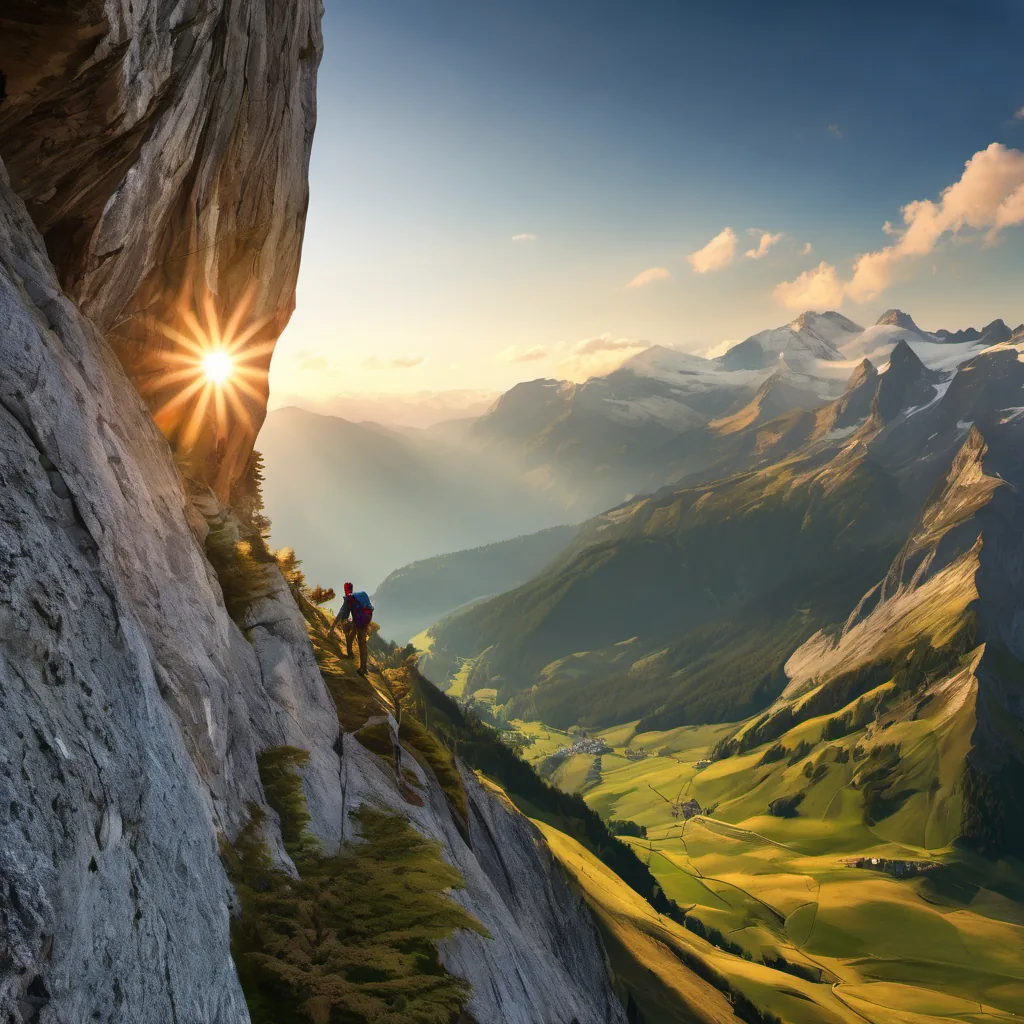
Adventure Travel: Mountain Climbing in Switzerland
Switzerland is a premier destination for mountain climbing enthusiasts. From beginner-friendly via ferratas to the challenging ascent of the Matterhorn, this guide highlights essential planning, popular regions, and safety tips.
Explore these topics
- adventure travel(4)
- hiking(3)