Adventure Travel: Mountain Climbing in Switzerland
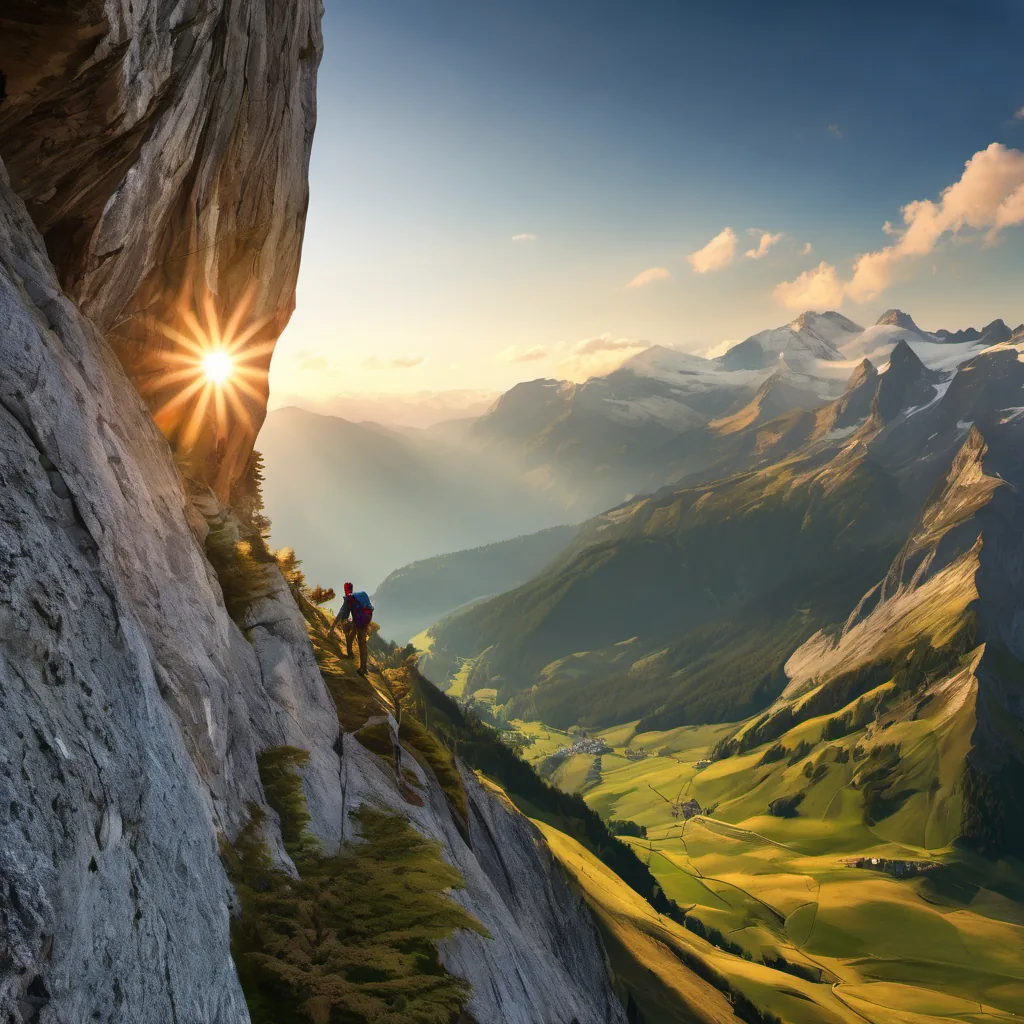
Adventure Travel: Mountain Climbing in Switzerland
Switzerland, renowned for its breathtaking landscapes and towering peaks, is a premier destination for adventure travel enthusiasts, particularly those passionate about mountain climbing. From beginner-friendly via ferratas to the challenging ascent of the iconic Matterhorn, Switzerland offers a diverse range of climbing experiences suited for all skill levels. This article will guide you through the essentials of mountain climbing in Switzerland, focusing on planning your climb, popular regions, essential gear, and safety tips.
Planning Your Climb
Before embarking on your climbing adventure, careful planning is crucial. Here are key points to consider:
Assess Your Climbing Experience
Begin by evaluating your skill level and selecting a mountain or via ferrata that aligns with your experience. If you’re a beginner, consider starting with easier routes that provide stunning views without the risks associated with high-altitude climbs.
Hire a Certified Mountain Guide
For more challenging climbs, such as the Matterhorn (4,478 meters or 14,692 feet), hiring a certified mountain guide is essential. These professionals not only ensure your safety but also enhance your climbing experience by sharing their extensive knowledge of the terrain.
Book Accommodation in Advance
The Swiss Alpine Club (SAC), founded in 1863, maintains numerous mountain huts across the country. These huts provide essential accommodation and meals for climbers. Reservations are crucial, particularly during the peak climbing season from June to September.
Check Weather Conditions
Always monitor weather conditions and avalanche forecasts before your climb. The high-altitude environment can change rapidly; being prepared is key to ensuring your safety.
Popular Climbing Regions
Switzerland features several renowned climbing regions, each offering unique experiences. Here are a few highlights:
Jungfrau Region
The Jungfrau Region is a climber’s paradise, showcasing peaks such as the Eiger (3,967 meters), Mönch (4,107 meters), and Jungfrau (4,158 meters). These mountains provide varying climbing routes that cater to different skill levels, all while offering stunning views of the surrounding landscape.
Zermatt
Zermatt serves as the base for climbing the Matterhorn. This charming town is a hub for climbers, known for its rich climbing history and access to numerous guides and climbing services. The unique allure of Zermatt combined with breathtaking views of the Matterhorn makes it a must-visit for any climbing enthusiast.
Engelberg
Engelberg is celebrated for its via ferratas, including routes that lead to breathtaking vistas. Access to Titlis provides climbers with the opportunity to explore both challenging climbs and easier routes, making it ideal for families or groups with varying skill levels.
Bernese Oberland
The Bernese Oberland offers a variety of alpine climbing and trekking opportunities. With numerous routes available, climbers can immerse themselves in the beauty of the Swiss Alps while enjoying the challenge of ascending its peaks.
Essential Gear and Safety
Proper preparation includes packing the right gear and adhering to safety protocols. Here’s what you need:
Climbing Gear
- Harness: Essential for securing yourself and your climbing partner.
- Helmet: Protects against falling rocks and accidents.
- Ropes: A must for belaying and ensuring safe climbs.
- Climbing Shoes: Provide the grip necessary for rocky surfaces.
Clothing
Dress in layers to adapt to the unpredictable mountain weather. Start with moisture-wicking base layers, add insulating layers, and finish with a waterproof outer layer.
First-Aid and Navigation Tools
Always carry a first-aid kit, a detailed map, a compass or GPS device, and sufficient food and water to maintain your energy levels during the climb.
Altitude Awareness
Be mindful of altitude sickness, especially when climbing high peaks. Gradually acclimatize and stay hydrated to minimize risks associated with high altitudes.
Basic Mountaineering Skills
Acquiring essential mountaineering skills, such as rope techniques and crevasse rescue, is vital. Courses are often available through climbing schools and guides in Switzerland.
Frequently Asked Questions (FAQ)
Q: What is the best time to climb in Switzerland?
A: The climbing season typically runs from June to September, depending on snow conditions and altitude.
Q: How much does it cost to climb the Matterhorn?
A: The average cost for a guided climb of the Matterhorn ranges between CHF 1,200 and CHF 1,800 per person.
Q: What is the altitude of the Jungfraujoch railway station?
A: The Jungfraujoch railway station, known as the 'Top of Europe,' is at an altitude of 3,454 meters (11,332 feet).
Q: How tall is the Eiger’s north face?
A: The Eiger's north face, known as the 'Nordwand,' has a vertical rise of approximately 1,800 meters.
Q: What is the size of the Aletsch Glacier?
A: The Aletsch Glacier, the largest glacier in the Alps, covers an area of about 81.7 square kilometers (31.5 square miles).
Conclusion
Mountain climbing in Switzerland offers an exhilarating experience that combines stunning natural beauty with thrilling challenges. Whether you're navigating the via ferratas of Engelberg or scaling the legendary Matterhorn, careful planning and preparation are essential for a safe and rewarding adventure. Embrace the thrill of the climb and create unforgettable memories in the majestic Swiss Alps!
Related articles
Adventure Travel: Extreme Sports in Costa Rica
Costa Rica is a paradise for adventure seekers, offering a diverse range of extreme sports set against stunning natural backdrops. From whitewater rafting to ziplining and surfing, discover the thrilling activities that await you in this Central American gem.
Adventure Travel: Trekking in the Alps
Explore the breathtaking trekking routes of the Alps, including the iconic Tour du Mont Blanc and the challenging Haute Route. Learn how to prepare for your alpine adventure with essential gear and safety considerations.
Adventure Travel: The Best Hiking Destinations
Explore the best hiking destinations around the world, from the Everest Base Camp Trek in Nepal to the Inca Trail in Peru. Discover essential preparation tips, safety practices, and breathtaking trails that promise adventure and stunning scenery.