Exploring the Grand Canyon: A Hiker's Guide
Exploring the Grand Canyon: A Hiker's Guide
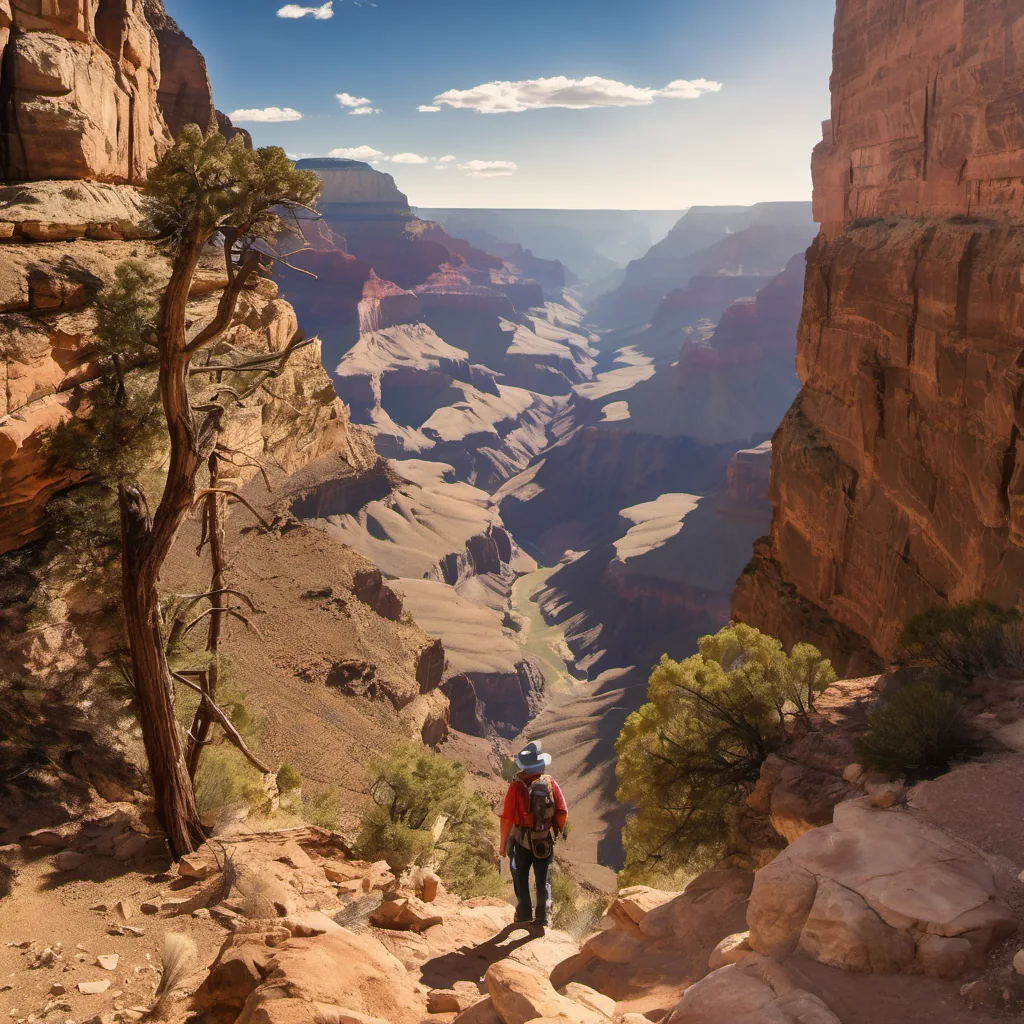
The Grand Canyon is one of the most stunning natural wonders in the world, stretching approximately 277 miles (446 km) long, up to 18 miles (29 km) wide, and reaching depths of over a mile (6,000 feet / 1,800 meters). With its breathtaking views and complex geological history, it’s no wonder that approximately 4.7 million people visited the Grand Canyon National Park in 2023. However, exploring this magnificent landscape requires careful planning and preparation, particularly for hikers. Here’s a comprehensive guide to help you navigate the trails of the Grand Canyon.
Planning Your Hike
Before you set off on your Grand Canyon adventure, there are a few critical steps to take to ensure a safe and enjoyable experience:
- Obtain necessary permits: If you plan to embark on an overnight backpacking trip, you’ll need a permit. These permits can be difficult to obtain and often require applying months in advance through the National Park Service website.
- Check weather conditions: Weather can change rapidly in the Grand Canyon, particularly during monsoon season from July to September. It’s essential to check current weather conditions and trail closures to ensure a safe hiking experience.
Trail Options and Difficulty
The Grand Canyon offers a variety of trails, each presenting unique challenges and breathtaking views. Below are two of the most popular options:
Bright Angel Trail
- Distance: Approximately 12 miles (19 km) round trip to Plateau Point.
- Elevation Change: About 3,040 feet (930 m).
- Features: This well-maintained trail offers seasonal water sources and shaded areas, making it a preferable choice for many hikers. However, be prepared for mule traffic, as this route is popular for both hikers and pack animals.
South Kaibab Trail
- Distance: Approximately 6 miles (9.7 km) to Skeleton Point.
- Elevation Change: Approximately 4,860 feet (1,480 m).
- Features: Known for its stunning panoramic views, this trail lacks water sources and shade, making it more suitable for experienced hikers and best tackled in cooler weather.
| Trail Name | Distance (Round Trip) | Elevation Change | Water Availability | Shade Availability |
|---|---|---|---|---|
| Bright Angel Trail | 12 miles (19 km) | 3,040 feet (930 m) | Yes (seasonal) | Yes |
| South Kaibab Trail | 6 miles (9.7 km) | 4,860 feet (1,480 m) | No | No |
Caution on Day Hiking
Hiking from the rim to the river and back in one day is strongly discouraged. The extreme heat, particularly at the bottom of the canyon where the hottest recorded temperature is 120°F (49°C), combined with significant elevation changes, increases the risk of dehydration and heatstroke.
Safety and Preparation
Safety should always be a priority when hiking in the Grand Canyon. Here are some essential tips to keep in mind:
- Pack essential gear: Bring a detailed map, compass, first-aid kit, headlamp, and extra layers of clothing to prepare for temperature fluctuations.
- Hydration is key: Always carry plenty of water—at least 1 gallon per person per day. This is crucial, especially considering the risks associated with heat and strenuous activity.
- Snack wisely: Salty snacks can help replenish lost electrolytes.
- Sun protection: Sunscreen, hats, and sunglasses are essential, even on short hikes.
- Acclimatize to the altitude: If you're coming from lower elevations, take time to acclimatize before attempting strenuous hikes to avoid altitude sickness.
Phantom Ranch
Located at the bottom of the canyon near the Colorado River, Phantom Ranch offers a unique lodging experience and meals. Reservations are required and must be made far in advance—often a year or more.
Exploring the North Rim
For those seeking a cooler alternative, the North Rim is open from mid-May to mid-October. This area provides a different perspective of the Grand Canyon, being more remote and having fewer amenities. If you’re after solitude and stunning views, the North Rim is worth considering.
Frequently Asked Questions (FAQs)
What is the best time to hike in the Grand Canyon?
The best time to hike is during the spring (March to May) and fall (September to November) when temperatures are milder.
Are there any age restrictions for hiking?
There are no specific age restrictions, but children should be supervised, and families should assess the difficulty of trails before embarking.
Can I bring my dog?
Pets are not allowed on most trails in the Grand Canyon, including the backcountry. They are only permitted on the rim and in developed areas.
What should I do in case of an emergency?
If you encounter an emergency, use your cell phone to call 911 or the park’s emergency number. It’s advisable to have a plan in place before heading out.
Exploring the Grand Canyon is an unforgettable experience, but it requires preparation, respect for the environment, and awareness of your limits. Whether you choose the Bright Angel Trail or South Kaibab Trail, the breathtaking views and unique challenges will surely leave you with lasting memories. Happy hiking!
Related articles

Luxury Getaways in Dubai
Discover the ultimate luxury getaways in Dubai, featuring iconic hotels and exclusive resorts. From the opulent Burj Al Arab to serene retreats like the Bulgari Resort, explore unparalleled experiences and amenities.
Adventure in Egypt: Exploring Pyramids and Temples
Explore the wonders of ancient Egypt, from the Great Pyramid of Giza to the temples of Luxor and the remarkable Abu Simbel. This blog dives into the history, architecture, and culture of Egypt's most iconic sites.

Cultural Experiences in Spain
Spain is a vibrant tapestry of cultural experiences, from the passionate art of Flamenco to the joyous tradition of tapas. Festivals like La Tomatina and Semana Santa further highlight the country's rich heritage.