Cultural Immersion in the Maldives: A Journey Through Traditions and Daily Life
Traditional Arts and Performances
Experience Bodu Beru
Visiting the Maldives offers a unique opportunity to immerse yourself in its rich cultural tapestry, particularly through traditional music and dance. Bodu Beru, which translates to "big drum," is a vibrant performance that typically features a group of 15-20 musicians and dancers. Originating in the 11th century, this energetic performance includes lively drumming and rhythmic movements, often accompanying community festivities and celebrations. Attending a Bodu Beru performance allows you to witness the heart of Maldivian culture pulsating through music and dance.
Craftsmanship Workshops
In addition to music, traditional crafts play an essential role in Maldivian culture. Engage in workshops focused on mat weaving and lacquer work. Mat weaving utilizes locally sourced reeds and fibers, showcasing skills that have been passed down through generations. On the other hand, lacquer work, an ancient art form, involves intricate designs that reflect the natural beauty of the Maldives. These workshops provide hands-on experience while offering insights into the significance of these crafts in local life.
Island Life and Local Interaction
Visiting Local Islands
To truly understand Maldivian culture, visiting local islands like Maafushi or Thulusdhoo is essential. These islands allow for direct interaction with residents, offering a glimpse into their daily routines, which are heavily influenced by the surrounding sea. You can engage with locals, observe their fishing and agricultural practices, and witness how the ocean shapes their livelihoods. This interaction fosters a deeper appreciation for the simplicity and resilience of island life.
Community Events and Festivals
Participating in community events and festivals is another excellent way to experience local culture firsthand. These gatherings are often vibrant, filled with music, dance, and traditional food. Engaging in such events enriches your understanding of the Maldivian way of life while helping you build connections with the Maldivian people, who are known for their warmth and hospitality.
Historical and Culinary Exploration
Exploring Historical Sites in Malé
The capital city, Malé, is rich in history and offers several significant sites worth exploring. One of the must-visit locations is the Grand Friday Mosque, built in 1658. Its stunning architecture and intricate designs reflect the Islamic heritage that has been present in the Maldives since 1153 AD. Another essential stop is the National Museum, established on November 11, 1952, which houses a collection of artifacts that tell the story of the Maldives' cultural heritage. Exploring these sites provides a comprehensive understanding of the country's past and its evolution over the centuries.
Maldivian Cooking Classes
To complete your cultural immersion, consider taking a Maldivian cooking class. Here, you will learn how to prepare traditional dishes such as Garudhiya (fish soup), Mas Huni (shredded smoked fish with coconut), and Fihunu Mas (grilled fish marinated in chili paste). Understanding the role of local ingredients in Maldivian cuisine offers a delicious perspective on the culture. These culinary experiences not only satisfy your taste buds but also provide insight into the communal aspects of food preparation and dining in the Maldives.
FAQ
What is Bodu Beru?
Bodu Beru is a traditional Maldivian music and dance form characterized by vibrant drumming and rhythmic performances, typically involving a group of 15-20 individuals. It is believed to have originated in the 11th century.
What are some traditional Maldivian dishes?
Some traditional dishes include Garudhiya (fish soup), Mas Huni (shredded smoked fish with coconut), and Fihunu Mas (grilled fish marinated in chili paste).
How should I dress when visiting local islands?
When visiting local islands or mosques, it is important to dress modestly, respecting local customs and traditions. This usually means covering shoulders and knees.
What currency is used in the Maldives?
The Maldivian currency is the Rufiyaa (MVR), divided into 100 Laari. As of November 3, 2024, the exchange rate is approximately 15.45 MVR per 1 USD.
What is the population of Malé?
As of 2022, the population of Malé is approximately 227,486, making it one of the most densely populated cities in the world.
What is a Dhoni?
A Dhoni is a traditional Maldivian boat used for fishing and transportation for over 2000 years. It reflects the importance of the sea in the daily life of Maldivians.
Related articles
Luxury Getaways in Dubai
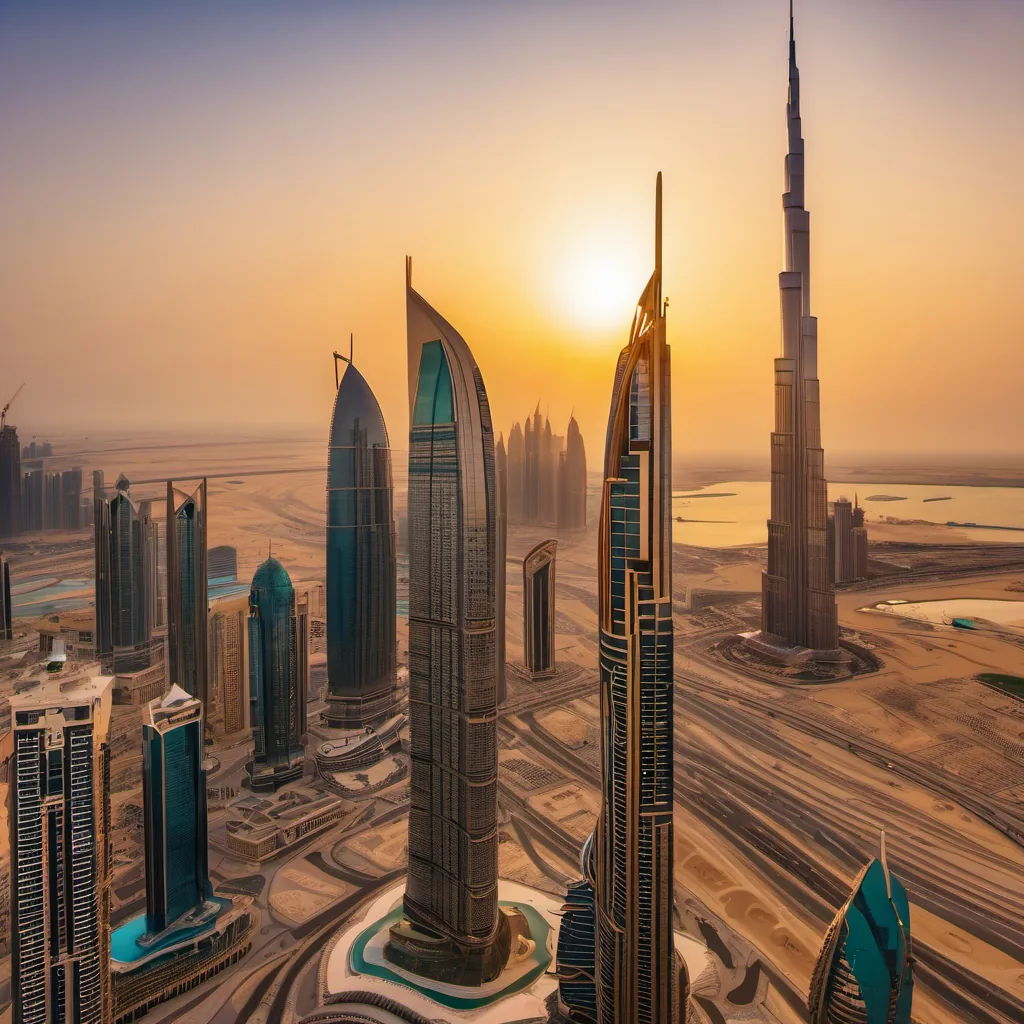
Discover the ultimate luxury getaways in Dubai, featuring iconic hotels and exclusive resorts. From the opulent Burj Al Arab to serene retreats like the Bulgari Resort, explore unparalleled experiences and amenities.
Adventure in Egypt: Exploring Pyramids and Temples
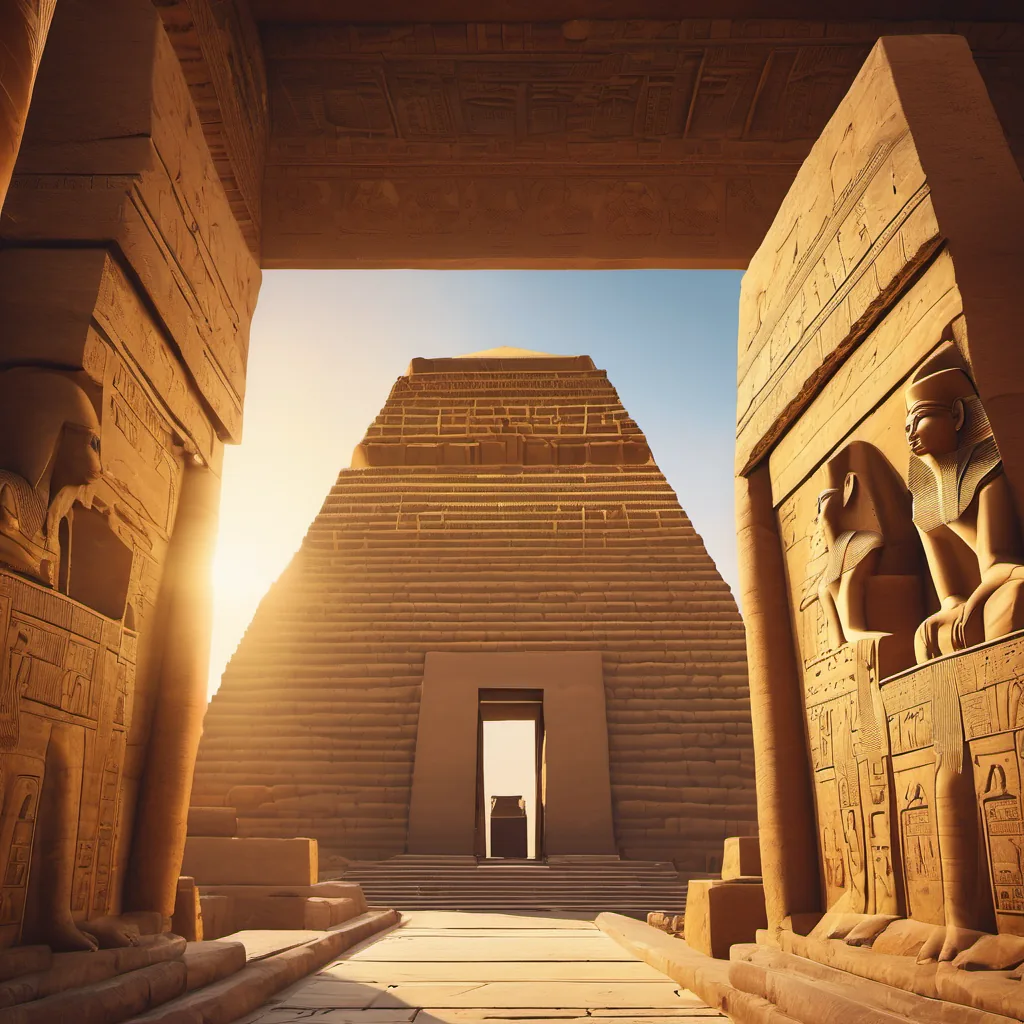
Explore the wonders of ancient Egypt, from the Great Pyramid of Giza to the temples of Luxor and the remarkable Abu Simbel. This blog dives into the history, architecture, and culture of Egypt's most iconic sites.
Cultural Experiences in Spain
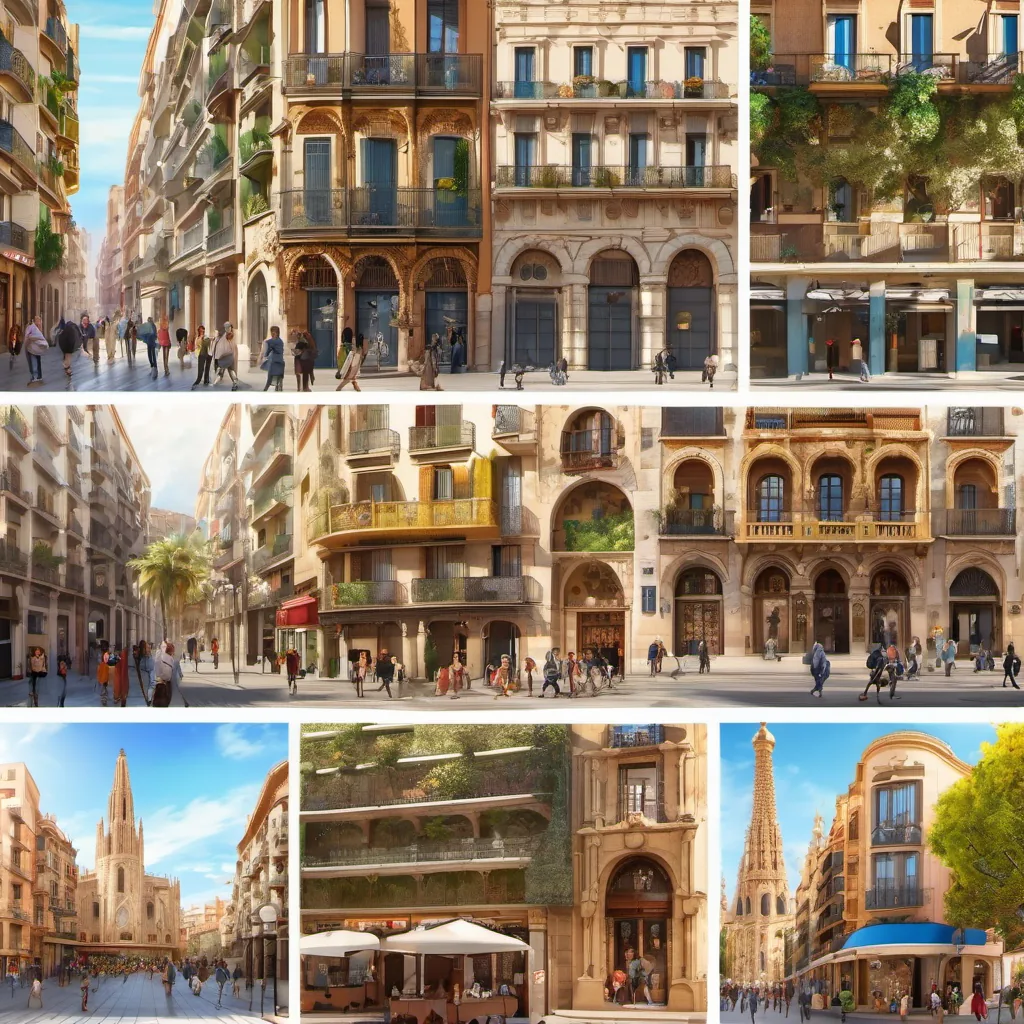
Spain is a vibrant tapestry of cultural experiences, from the passionate art of Flamenco to the joyous tradition of tapas. Festivals like La Tomatina and Semana Santa further highlight the country's rich heritage.