Exploring the Culture of Morocco
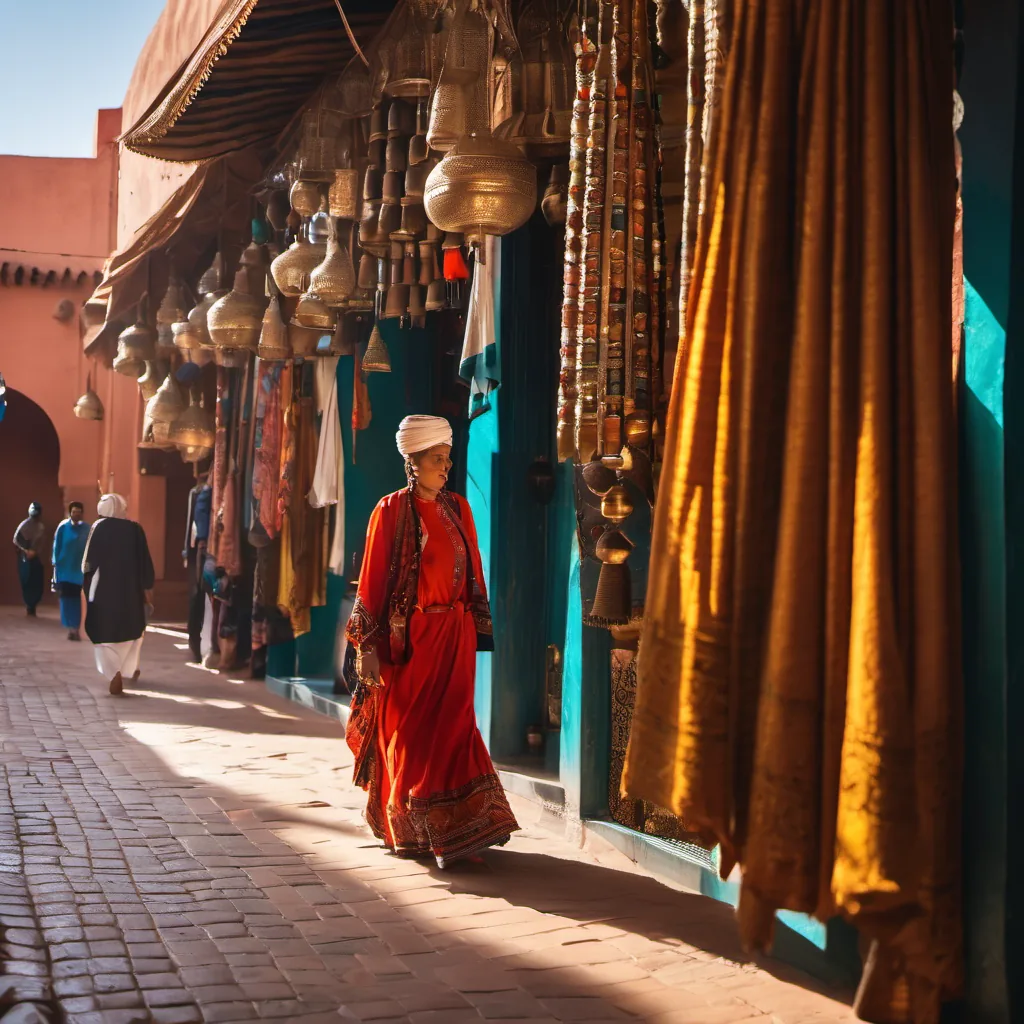
Moroccan Cuisine
Moroccan cuisine is a delightful fusion of Berber, Arab, and French influences, making it one of the most diverse culinary experiences in the world. A hallmark of this cuisine is its bold use of spices such as saffron, cumin, and ginger, which provide depth and character to various dishes. Among the many offerings, two national staples stand out: tagine and couscous.
Traditional Cooking Methods
Tagine refers to both the earthenware pot in which food is slow-cooked and the dish itself. This traditional method allows flavors to meld over hours, typically featuring meats like lamb or chicken, complemented by a variety of vegetables and spices. In contrast, couscous is steamed until fluffy and often serves as a base for various stews, showcasing Morocco's remarkable ability to transform simple ingredients into culinary masterpieces.
Religious and Social Customs
Islam is the predominant religion in Morocco, significantly shaping daily life and cultural practices. The five daily calls to prayer punctuate the day, serving as reminders of spiritual obligations and fostering a sense of community among the faithful.
Family Values and Social Gatherings
In Moroccan culture, family plays a crucial role. Social gatherings often revolve around shared meals, emphasizing the values of community and hospitality. One of the most cherished customs is the act of offering mint tea to guests, a traditional symbol of welcome that exemplifies the deep-seated cultural norm of generosity.
Art and Architecture
Moroccan architecture is renowned for its intricate designs and attention to detail. The use of zellij, or mosaic tilework, along with stucco and carved wood, creates stunning visual compositions, particularly evident in mosques and palaces.
Features of Traditional Riads
At the heart of Moroccan architecture are riads, traditional houses built around a central courtyard. These architectural gems often feature lush gardens and fountains, providing a serene escape from the bustling streets outside. The central courtyard serves as a private space for family gatherings, further reflecting the importance of family in Moroccan culture.
The Rich Tapestry of Moroccan Culture
Morocco's diverse culture extends beyond food and architecture; it encompasses music, art, and daily life as well.
Music and Dance
Traditional Moroccan music includes Gnawa, a spiritual genre that blends music, dance, and storytelling. This art form reflects the country's rich history and cultural influences, particularly the impact of sub-Saharan Africa, as many performers are descendants of former slaves.
The Vibrant Souks
The souks (markets) of Morocco are vibrant hubs of commerce and culture. They offer an array of goods, from spices and textiles to handcrafted leather and intricate metalwork. Walking through a souk is a sensory overload of colors, sounds, and aromas, providing a unique glimpse into the daily lives of Moroccans.
Conclusion
Exploring the culture of Morocco reveals a land rich in tradition, diversity, and hospitality. From the enticing aromas of its cuisine to the intricate beauty of its architecture and the warmth of its people, Morocco presents a tapestry of experiences waiting to be discovered.
FAQ
Q: What is the significance of mint tea in Moroccan culture?
A: Mint tea symbolizes hospitality and is often offered to guests as a gesture of welcome and generosity.
Q: What is the oldest educational institution in the world located in Morocco?
A: The Al-Qarawiyyin University in Fez, founded in 859 AD by Fatima al-Fihri, is recognized as the oldest existing and continually operating educational institution in the world.
Q: How does Islam influence daily life in Morocco?
A: Islam shapes daily routines through five calls to prayer, structuring the day, and influences social customs and interactions, particularly around family and community gatherings.
Related articles
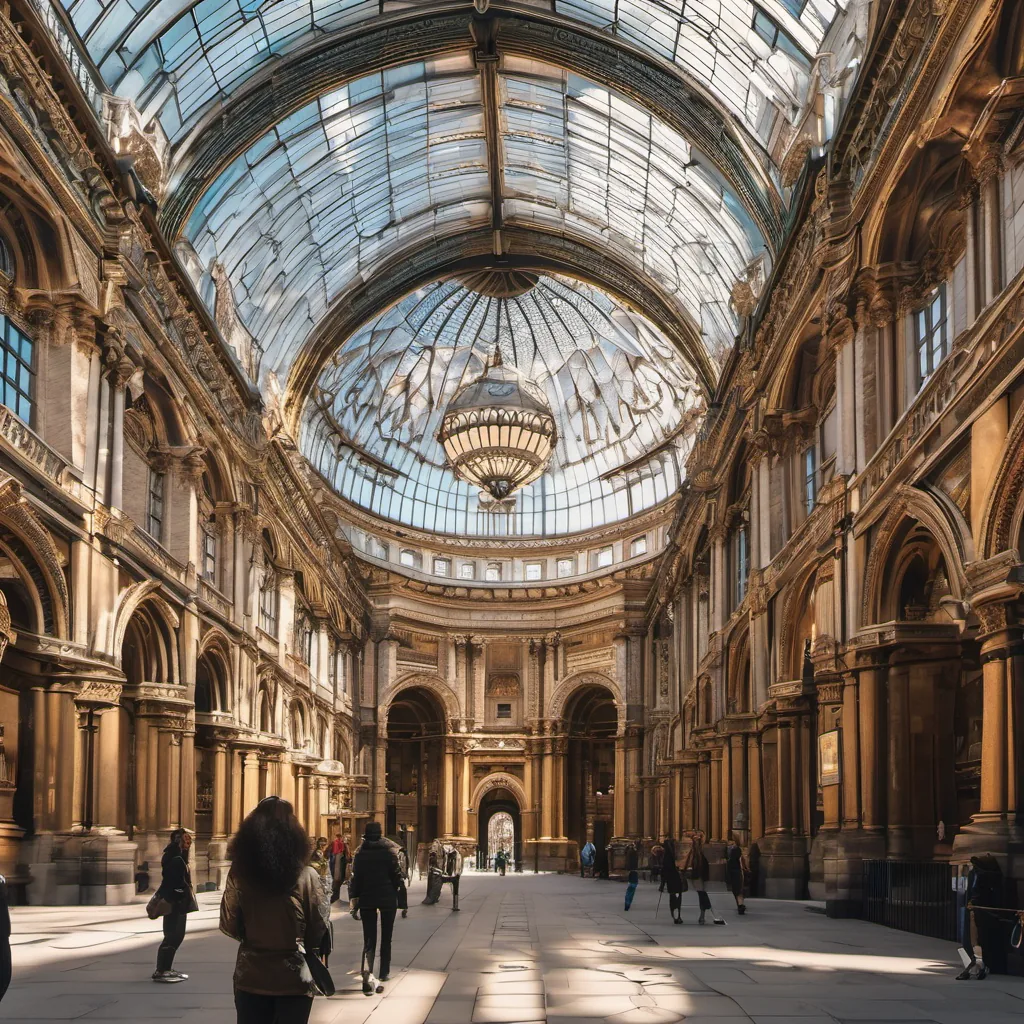
Cultural Travel: Exploring the History of London
London's history spans over 2000 years, from its Roman settlement of Londinium to iconic landmarks like the Tower of London and Westminster Abbey. This cultural travel guide explores the rich tapestry of London's past and its significant historical sites.
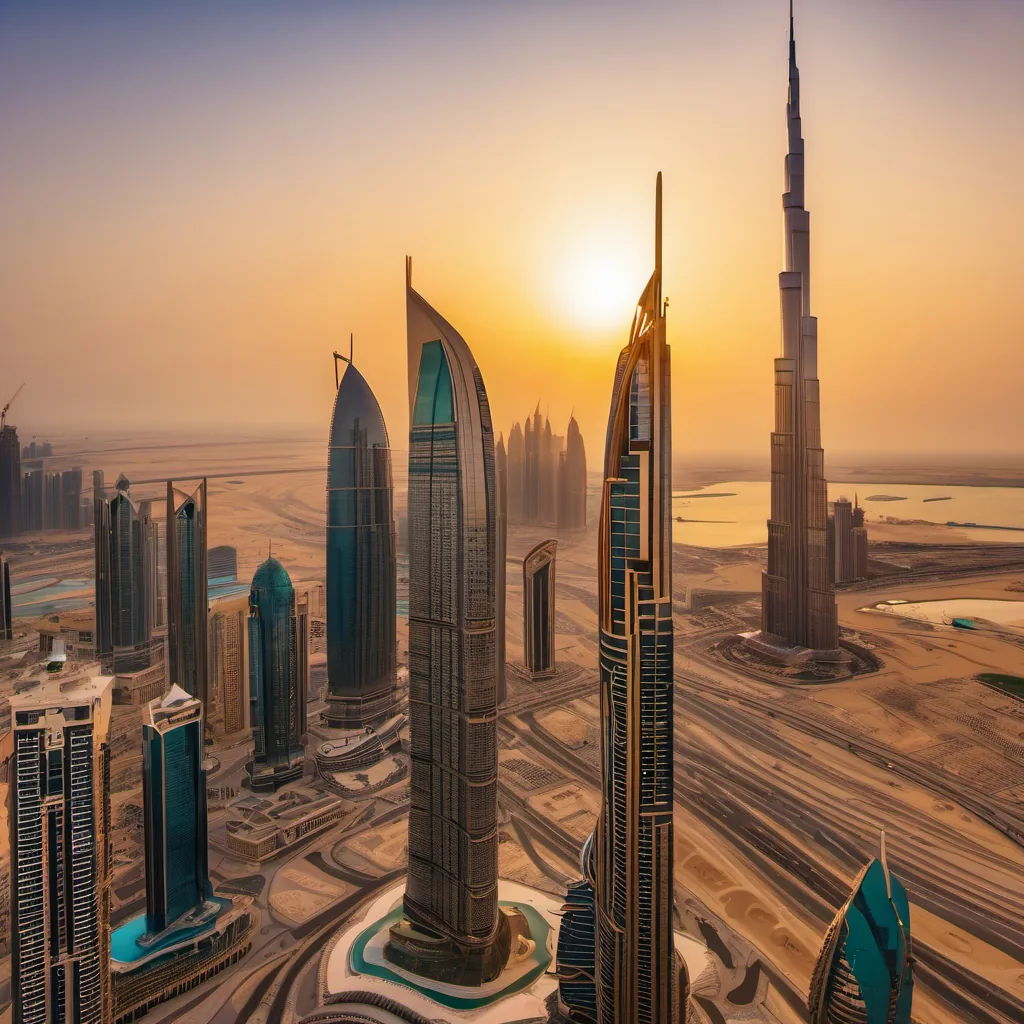
Luxury Getaways in Dubai
Discover the ultimate luxury getaways in Dubai, featuring iconic hotels and exclusive resorts. From the opulent Burj Al Arab to serene retreats like the Bulgari Resort, explore unparalleled experiences and amenities.
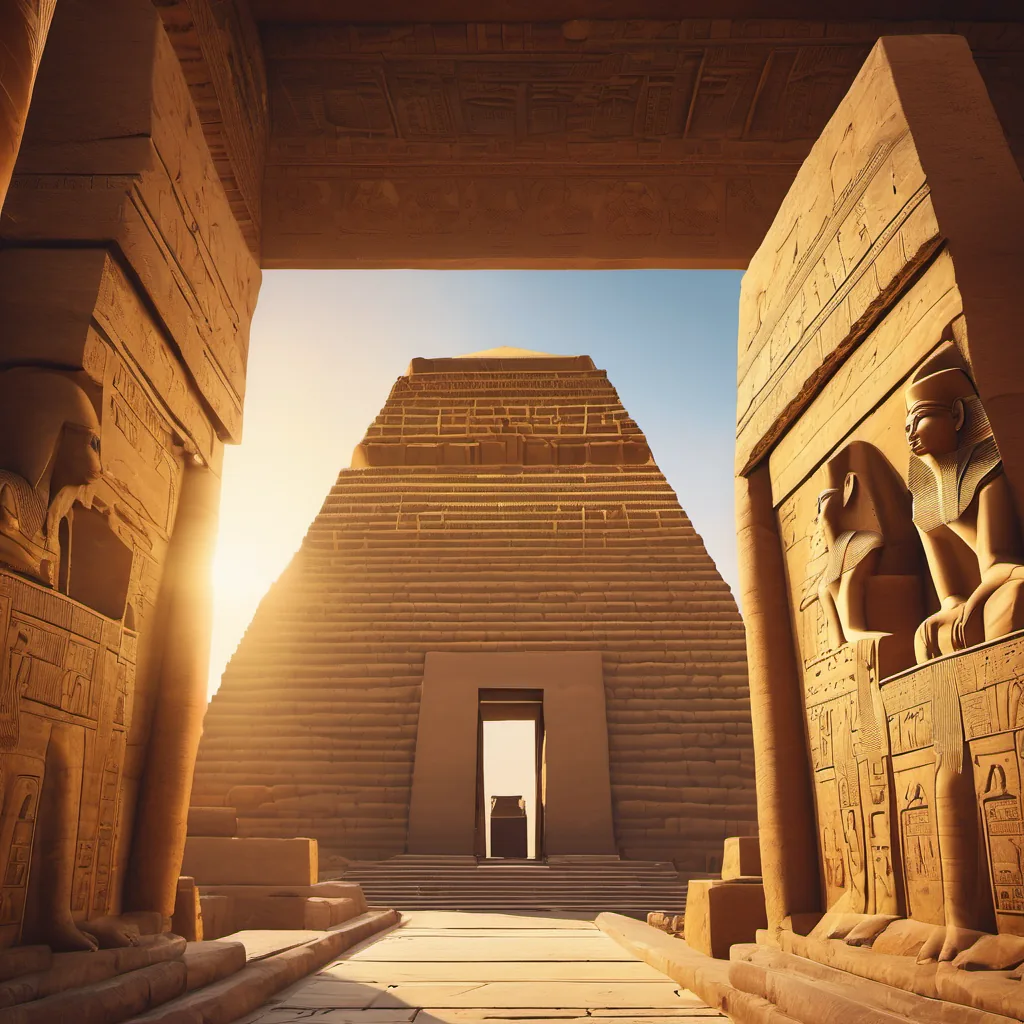
Adventure in Egypt: Exploring Pyramids and Temples
Explore the wonders of ancient Egypt, from the Great Pyramid of Giza to the temples of Luxor and the remarkable Abu Simbel. This blog dives into the history, architecture, and culture of Egypt's most iconic sites.