Exploring European Capitals
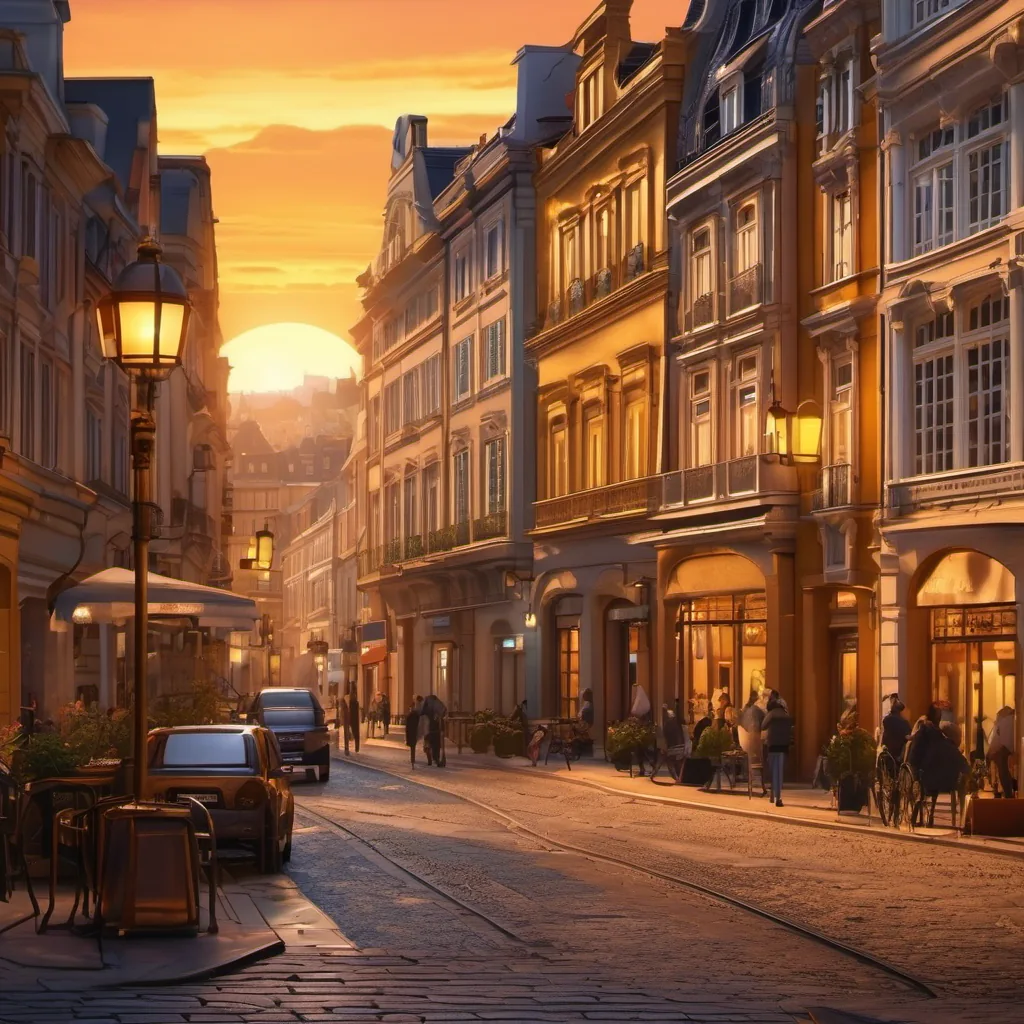
Exploring European Capitals
Europe is a continent steeped in history, culture, and vibrant urban experiences. Each capital city offers its own unique blend of attractions, making them must-visit destinations for travelers. In this article, we will explore the historical significance, cultural attractions, and modern urban experiences of some of the most iconic European capitals: Paris, Rome, London, Berlin, Amsterdam, and Madrid.
Historical Significance
Rome: The Eternal City
Rome, the capital of Italy, is a living museum that showcases the grandeur of the Roman Empire. Ancient ruins, such as the Colosseum, built in 80 AD, could hold an estimated 50,000 to 80,000 spectators. As you walk through the Roman Forum, you can envision the bustling life of ancient Rome, where politics, business, and social gatherings thrived. Additionally, the presence of Vatican City, a sovereign state and the spiritual center for Roman Catholics, adds to Rome's historical allure.
Berlin: A City Reunited
Transitioning to Berlin, the city’s historical significance is profoundly shaped by its tumultuous past, most notably through the remnants of the Berlin Wall. This wall, which divided East and West Berlin from 1961 to 1989, serves as a powerful reminder of the Cold War era. The Brandenburg Gate, completed in 1791 and standing at 26 meters tall, symbolizes peace and unity in the city. It has become a popular spot for both tourists and locals, embodying the spirit of a reunited Berlin.
Cultural Attractions
Paris: The City of Light
When it comes to cultural attractions, Paris is synonymous with art and creativity. The Louvre Museum, one of the world's largest and most visited museums, houses masterpieces such as the Mona Lisa and has welcomed millions of visitors since its opening. The Eiffel Tower, completed in 1889 and soaring to a height of 330 meters, stands as an iconic symbol of Paris, attracting millions of tourists each year. Moreover, the city is famous for its rich culinary scene, offering everything from exquisite pastries to Michelin-starred dining.
London: The Cultural Capital
Similarly, London stands as a global hub for finance, culture, and history. The British Museum, which houses a vast collection of world art and artifacts, is a highlight for history enthusiasts. In addition, the famed West End theaters offer a diverse range of performances, from classic plays to contemporary shows, captivating audiences from around the globe. Furthermore, Buckingham Palace, with its 775 rooms, has been the official residence of the British monarch since 1837, making it a key attraction for visitors.
Modern Urban Experiences
Amsterdam: A City of Canals
Shifting our focus to modern urban experiences, Amsterdam is renowned for its stunning canal system, which provides a unique perspective of the city. The canals, along with the Anne Frank House, which receives over 1.2 million visitors annually, showcase the city's rich history and progressive culture. Moreover, Amsterdam is a major cycling city, featuring dedicated bike lanes that make it easy for visitors to explore the city on two wheels.
Madrid: The Heart of Spain
Finally, Madrid is known for its vibrant nightlife, where locals and visitors alike enjoy the lively atmosphere. The city is also home to world-class art museums, including the Prado Museum, which houses over 8,200 drawings, 7,600 paintings, and 1,000 sculptures. Additionally, the Royal Palace, a historical site, stands as a testament to Spain's royal heritage and is open to the public for tours.
Conclusion
Exploring these European capitals offers a deep dive into the continent's rich historical tapestry, cultural vibrancy, and modern urban experiences. Whether you're wandering through the ancient streets of Rome, enjoying a show in London's West End, or cycling along Amsterdam's canals, each city has its own story to tell. So pack your bags and set out to discover the wonders of these incredible capitals!
FAQ
Q: What is the best time to visit European capitals?
A: The best time to visit is typically during spring (April to June) and fall (September to October) when the weather is pleasant and tourist crowds are smaller.
Q: Are there any travel restrictions for visiting these cities?
A: Travel restrictions can vary based on current global health guidelines. Always check local regulations before planning your trip.
Q: How can I get around in these cities?
A: Most European capitals offer extensive public transport systems, including buses, trams, and subways, along with options for biking and walking for a more local experience.
Related articles

Asian Escapes: A Journey Through Japan
Japan is a land of contrasts, merging modern technology with ancient traditions. This article explores the vibrant cities, rich culture, and stunning nature of Japan, highlighting must-visit destinations and experiences.
Adventure in Egypt: Exploring Pyramids and Temples
Explore the wonders of ancient Egypt, from the Great Pyramid of Giza to the temples of Luxor and the remarkable Abu Simbel. This blog dives into the history, architecture, and culture of Egypt's most iconic sites.
Top European Destinations for Solo Travelers
Discover the top European destinations for solo travelers, from the artistic streets of Florence to the vibrant culture of Seville. Explore safety, cultural immersion, and budget-friendly experiences in these must-visit cities.