Cultural Travel: Art and Architecture in Europe
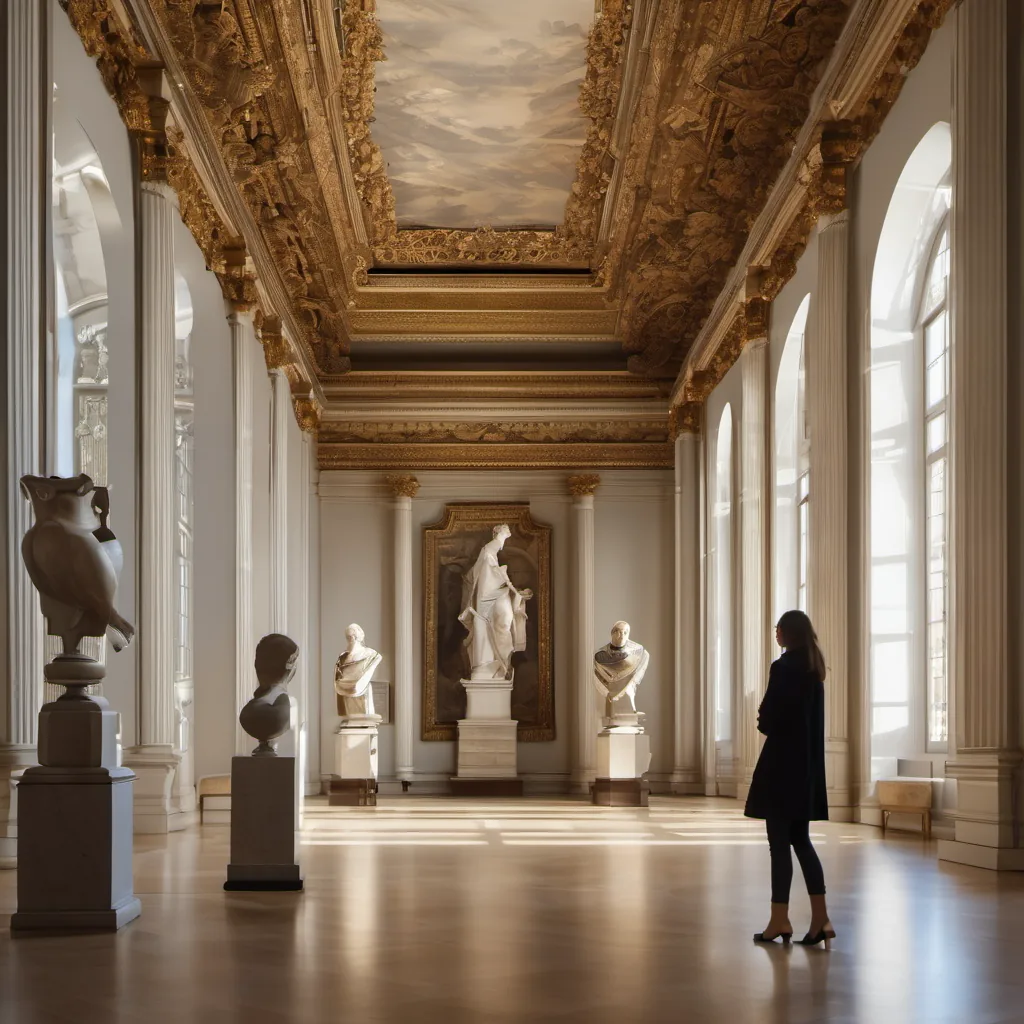
Iconic Art Museums
The Louvre Museum, Paris
The Louvre Museum, located in the heart of Paris, stands as the world's largest art museum and a historic monument. With over 38,000 objects of art spanning from prehistory to the 21st century, it serves as a treasure trove for art enthusiasts. Among its most celebrated masterpieces are Leonardo da Vinci's Mona Lisa and the ancient Greek statue Venus de Milo. Each year, the Louvre attracts approximately 10 million visitors, all eager to witness its vast collection firsthand.
The Uffizi Gallery, Florence
Established in 1581, the Uffizi Gallery ranks among the most renowned art museums globally. Officially opened to the public in 1765, it is particularly famous for its extensive collection of Italian Renaissance art. Visitors can admire works by legendary artists such as Botticelli, Leonardo da Vinci, and Michelangelo. The gallery stands as a testament to the rich artistic heritage of Florence, drawing art lovers from around the globe.
Architectural Wonders
Sagrada Familia, Barcelona
The Sagrada Familia, designed by the visionary architect Antoni Gaudí, is a stunning basilica in Barcelona that has been under construction since 1882. This architectural marvel showcases Gaudí's unique style, characterized by intricate details and organic forms. Projected for completion in 2026, the Sagrada Familia will mark 144 years of construction as well as the centennial of Gaudí's death. Visitors can witness the ongoing work and marvel at the already completed facades and towers that reflect a blend of Gothic and Art Nouveau styles.
Roman Colosseum, Rome
The Colosseum, an iconic symbol of ancient Rome, was completed in 80 AD and could hold an estimated 50,000 to 80,000 spectators. This architectural wonder was primarily used for gladiatorial contests and public spectacles, showcasing the ingenuity of Roman engineering. The arena floor measured 83 meters by 48 meters, where epic battles and dramatic performances entertained the masses. Today, it remains a must-visit site, offering insights into the grandeur of the Roman Empire.
Historical Palaces and Fortresses
Alhambra, Granada
The Alhambra, situated in Granada, Spain, is a stunning Moorish palace and fortress that dates back to the 9th century, with significant additions made in the 13th and 14th centuries. This UNESCO World Heritage site is renowned for its intricate Islamic architecture and serene gardens. A highlight of the Alhambra is the Court of the Lions, featuring a fountain adorned with 12 marble lions, each representing a different zodiac sign. This exquisite detail showcases the sophistication of Moorish art and design.
Vatican Museums, Vatican City
Founded in the 16th century by Pope Julius II, the Vatican Museums house approximately 70,000 works of art, with 20,000 on display. Among these masterpieces is the famous Sistine Chapel, where Michelangelo painted the ceiling between 1508 and 1512. Visitors to the Vatican Museums can explore centuries of artistic legacy, witnessing the profound influence of the papacy on art and culture throughout history.
FAQ
What is the best time to visit these cultural sites in Europe?
The best time to visit is during the spring (April to June) and fall (September to October), when the weather is pleasant and the crowds are smaller.
How can I purchase tickets for these museums and landmarks?
Tickets can typically be purchased online through the official websites of each museum or landmark to avoid long queues.
Are guided tours recommended?
Guided tours are highly recommended for a richer understanding of the art and architecture, as they often provide context and insights that enhance the experience.
What should I know before visiting the Sagrada Familia?
It's essential to book tickets in advance, as entry is limited. Additionally, check if any sections are closed for construction on the day of your visit.
Is there a dress code for visiting the Vatican Museums?
Yes, visitors are required to dress modestly, covering shoulders and knees, as it is a religious site.
Related articles
Cultural Travel: Exploring the History of London
London's history spans over 2000 years, from its Roman settlement of Londinium to iconic landmarks like the Tower of London and Westminster Abbey. This cultural travel guide explores the rich tapestry of London's past and its significant historical sites.
Cultural Travel: Immersive Experiences in Italy
Experience the rich culture of Italy through immersive activities like pasta making in Bologna, art tours in Florence, and opera nights in Milan. Discover the traditions and festivals that define this beautiful country.
Top European Destinations for Solo Travelers
Discover the top European destinations for solo travelers, from the artistic streets of Florence to the vibrant culture of Seville. Explore safety, cultural immersion, and budget-friendly experiences in these must-visit cities.
Explore these topics
- europe(4)
- cultural travel(3)