Asian Cuisine: From Tokyo to Bangkok
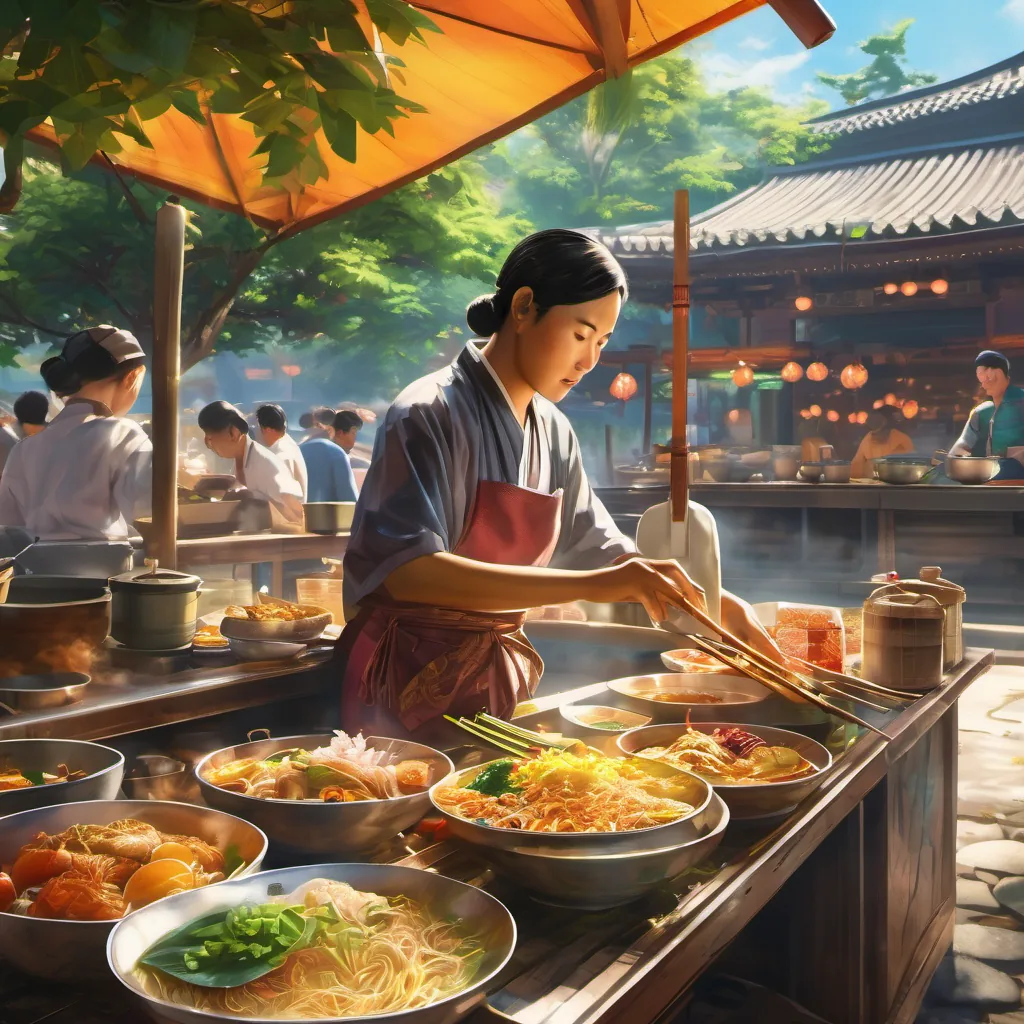
Tokyo's Culinary Excellence
Tokyo stands as a beacon of culinary excellence, boasting over 200 Michelin-starred restaurants, the highest number in the world. This vibrant city offers a rich tapestry of dining experiences, ranging from high-end establishments in Ginza to cozy neighborhood sushi spots.
The Art of Sushi
Sushi in Tokyo is more than just food; it is an art form. Chefs dedicate years to perfecting their craft, and each piece of sushi is a testament to the freshness and quality of ingredients. Many chefs source fish directly from the Tsukiji Outer Market, a bustling hub that features over 400 shops and restaurants, offering a wide array of seafood, produce, and culinary tools. The experience of enjoying sushi here is unparalleled, with a focus on technique and presentation that showcases the beauty of Japanese cuisine.
Regional Ramen Variations
Another cornerstone of Tokyo's culinary scene is ramen, which boasts over 100 different types of noodles used throughout Japan. Each region has its own distinct style; for instance, the creamy pork broth of Hakata ramen and the miso-based broth of Sapporo ramen. Exploring the various ramen shops across the city is a delightful adventure, as you sample different broths and noodle styles that highlight the versatility of this beloved dish.
Tsukiji Outer Market
A visit to the Tsukiji Outer Market is essential for anyone wanting to experience local culinary culture. Here, you can find everything from fresh seafood to unique culinary tools. The market serves not only as a shopping destination but also as a place to sample some of the freshest sushi and sashimi available in the city, making it a must-see for any food lover.
Bangkok's Street Food Paradise
In contrast to Tokyo's fine dining, Bangkok is renowned for its vibrant street food culture, offering an exhilarating array of dishes at affordable prices. With street food vendors generating over $8 billion in revenue annually, this culinary scene is a vital part of the city's identity.
Iconic Dishes: Pad Thai
One cannot visit Bangkok without indulging in the iconic Pad Thai. This stir-fried rice noodle dish originated during World War II as part of a campaign to promote rice consumption. You can find various interpretations from different street vendors, each adding their unique twist to this classic dish, making it a culinary experience worth seeking out.
Sweet Treats: Mango Sticky Rice
Don’t miss the opportunity to try Mango Sticky Rice, a popular Thai dessert that perfectly balances sweetness with creaminess. This dish is a staple in the city, showcasing the use of ripe mangoes and sticky rice, all drizzled with rich coconut milk. It's a delightful way to end any meal.
Floating Markets
For a truly unique dining experience, explore Bangkok's floating markets, such as Damnoen Saduak. Here, vendors sell food and goods directly from boats along the canals, creating a lively atmosphere filled with delicious aromas and vibrant colors. It’s a dining experience unlike any other, allowing you to savor local delicacies while enjoying the scenic waterways.
Flavors and Ingredients
The distinction between Tokyo and Bangkok is not only geographical but also lies in the flavors and ingredients that define their cuisines. Understanding these elements enhances your appreciation of each city’s culinary offerings.
Freshness in Japanese Cuisine
In Japanese cuisine, particularly sushi and sashimi, the importance of fresh, high-quality ingredients cannot be overstated. Sushi chefs meticulously select their fish and other ingredients to ensure that each bite is a harmonious blend of flavor and texture. This unwavering commitment to quality is what elevates Tokyo's culinary scene to global acclaim.
The Balance of Thai Flavors
Conversely, Thai cuisine is characterized by its bold flavors and the balance of sweet, sour, spicy, and salty elements. Ingredients such as lemongrass, galangal, and chili peppers are key to crafting the complex flavor profiles that make Thai dishes so appealing. Understanding these components is crucial for anyone looking to appreciate or recreate Thai cuisine.
Key Spices and Herbs in Thai Cuisine
The use of fresh herbs and spices is vital in Thai cooking. Here’s a brief overview of some key ingredients:
| Ingredient | Flavor Profile | Common Use |
|---|---|---|
| Lemongrass | Citrus, fragrant | Soups, curries, salads |
| Galangal | Earthy, spicy | Curries, soups |
| Chili Peppers | Spicy | Sauces, stir-fries |
| Thai Basil | Sweet, peppery | Curries, stir-fries |
| Fish Sauce | Salty, umami | Stir-fries, marinades |
FAQ
What is the average cost of a Michelin-starred meal in Tokyo?
The average cost can range from $100 to $500 per person, depending on the restaurant and the dining experience.
When was the first Michelin Guide to Bangkok published?
The first Michelin Guide to Bangkok was published in December 2017, showcasing the city’s best restaurants.
What are some must-try dishes in Bangkok?
Some must-try dishes include Pad Thai, Tom Yum Soup, and Mango Sticky Rice.
How many Michelin-starred restaurants are in Tokyo?
Tokyo boasts over 200 Michelin-starred restaurants, the highest number in the world.
Asian cuisine, from the sophisticated sushi of Tokyo to the lively street food of Bangkok, offers a culinary journey that reflects the rich cultural heritage of the region. Each city presents its own unique flavors and dining experiences, making them essential destinations for food aficionados.
Related articles
Asian Escapes: A Journey Through Japan
Japan is a land of contrasts, merging modern technology with ancient traditions. This article explores the vibrant cities, rich culture, and stunning nature of Japan, highlighting must-visit destinations and experiences.

Luxury Getaways: From Paris to Bali
Explore the luxurious experiences offered by Paris and Bali, from Michelin-starred dining and private shopping in Paris to serene retreats and wellness experiences in Bali. Discover the unique charms of each destination to find your perfect luxury getaway.

Luxury in France: From Paris to the Riviera
Discover the epitome of luxury in France, encompassing high-end shopping in Paris and the exclusive lifestyle of the French Riviera. From Michelin-starred dining to opulent accommodations, explore how France defines indulgence.