Adventure in the Himalayas: Trekking in Nepal
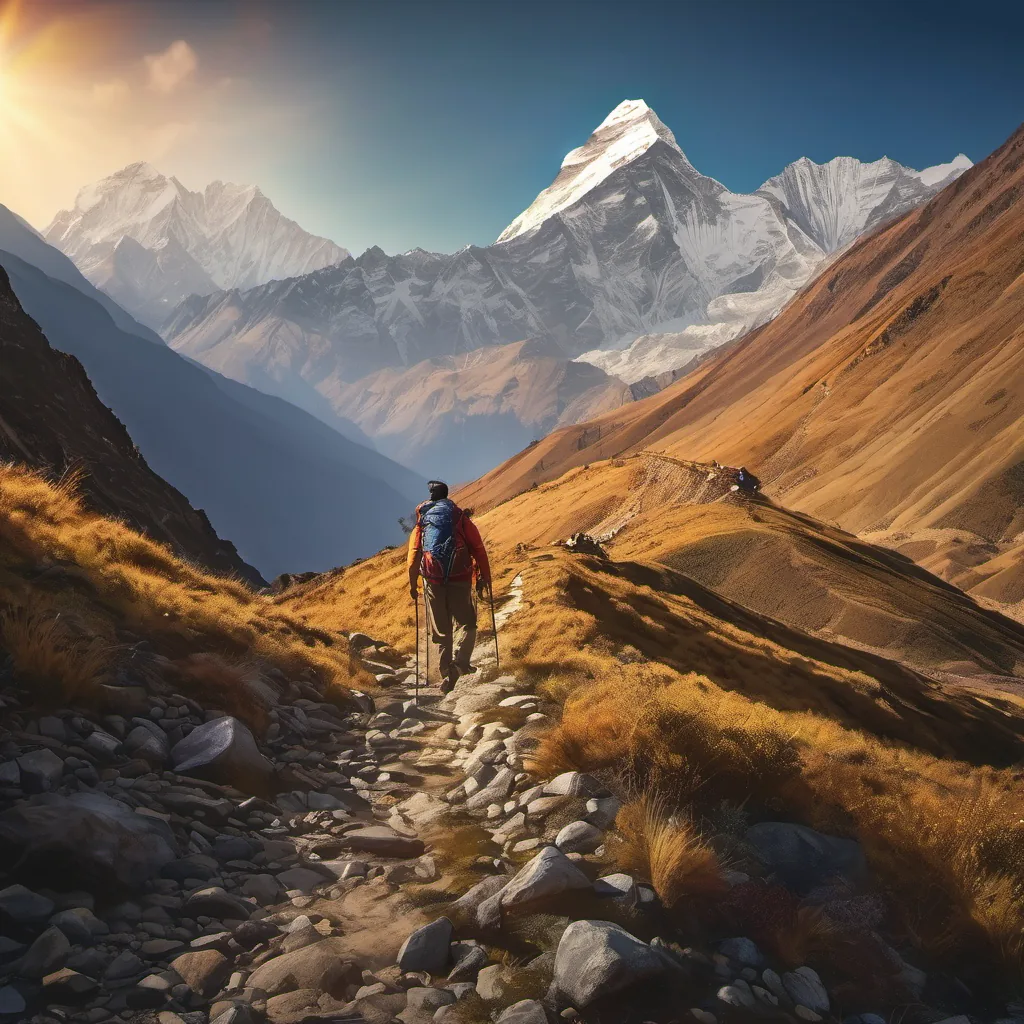
Adventure in the Himalayas: Trekking in Nepal
Nepal is a land of breathtaking natural beauty, rich culture, and some of the most iconic trekking routes in the world. Among the towering peaks of the Himalayas, adventurers find challenges and rewards that few other places can offer. In this article, we will explore three of the most popular trekking routes in Nepal, essential planning tips, and what to expect on the trail.
Popular Trekking Routes
Everest Base Camp Trek
The Everest Base Camp Trek is perhaps the most famous trekking route in the world. Spanning approximately 12-14 days, this journey takes you to the foot of Mount Everest, the world’s highest peak at 8,848.86 meters (29,031.7 feet). The trek reaches its pinnacle at Kala Patthar, which stands at 5,364 meters (17,598 feet), offering unparalleled views of Everest and the surrounding peaks. Along the way, trekkers immerse themselves in Sherpa culture, visit ancient monasteries, and enjoy the stunning landscapes of the Khumbu region.
Annapurna Circuit Trek
Another classic route, the Annapurna Circuit Trek showcases the incredible diversity of Nepal’s landscapes. This trek usually takes 16-20 days and encompasses lush subtropical valleys, terraced rice paddies, and high alpine deserts. One of its highlights is Thorong La Pass, which stands at 5,416 meters (17,769 feet), making it one of the highest trekking passes in the world. The trek not only offers stunning panoramic views of the Annapurna massif but also a chance to experience the rich culture of the local Gurung and Thakali communities.
Langtang Valley Trek
For those seeking a shorter trek, the Langtang Valley Trek provides a more accessible Himalayan experience. Typically completed in 7-9 days, this trek is located closer to Kathmandu and showcases the breathtaking scenery of the Langtang region. Not only is the trek scenic, but it is also culturally enriching, allowing trekkers to experience the traditions of the Tamang people. Furthermore, this area is in the process of recovery from the devastating earthquake of April 25, 2015, which significantly impacted the trekking routes in Nepal.
Essential Planning & Preparation
Permits and Regulations
Before embarking on a trekking adventure in Nepal, it is crucial to obtain the necessary permits. The Trekker's Information Management System (TIMS) card and national park entrance permits are required for trekking in various regions. For instance, trekkers in the Everest region must acquire a permit for Sagarmatha National Park, which costs approximately $20-30 each. Having the proper documentation ensures a safe and hassle-free trekking experience.
Best Time to Trek
Choosing the right time for your trek can greatly impact your experience. The best seasons for trekking in Nepal are during the autumn months (October-November) and spring months (March-May). During these times, trekkers can enjoy clear skies and moderate temperatures, with daytime temperatures ranging from 10-20°C (50-68°F) at lower altitudes. However, temperatures can drop below freezing at higher elevations, so it’s essential to pack appropriately for varying conditions.
On the Trail: Accommodation and Food
Tea Houses
Along the popular trekking routes, tea houses provide basic accommodation and meals. These establishments serve as vital resources for trekkers, offering a place to rest and refuel. The average cost for food and lodging ranges from $25-50 per day, depending on the region and level of comfort desired. Staying in tea houses not only supports local communities but also enhances the trekking experience through opportunities to meet fellow adventurers.
Food and Water
Staying hydrated and consuming nutritious food are crucial for maintaining energy levels during the trek. Tea houses typically offer a variety of local and international dishes, including dal bhat (a traditional lentil soup with rice), noodles, and even pizza in some areas. It’s important to ensure that the water is treated or sourced from safe supplies to avoid any health issues during your trek.
Frequently Asked Questions (FAQ)
What is the cost of trekking in Nepal?
The cost of an Everest Base Camp trek ranges from $1,200 to $6,000 per person, depending on the level of service, including guides, porters, and accommodation.
How high is Mount Everest?
Mount Everest stands at 8,848.86 meters (29,031.7 feet) as measured in 2020 by a joint Nepali-Chinese team.
What are the best months for trekking in Nepal?
The best months for trekking in Nepal are October-November (autumn) and March-May (spring), offering clear skies and moderate temperatures.
What permits do I need for trekking?
Trekkers need to obtain the Trekker's Information Management System (TIMS) card and national park entrance permits, which typically cost around $20-30 each.
What can I expect in terms of accommodation?
Tea houses along the trekking routes provide basic accommodation and meals, with average costs ranging from $25-50 per day for food and lodging.
Nepal offers an unparalleled trekking experience that combines stunning landscapes, rich cultures, and the thrill of adventure. Whether you choose to trek to Everest Base Camp, explore the Annapurna Circuit, or venture into the Langtang Valley, the memories you create in the Himalayas will last a lifetime. Prepare well, respect the environment, and enjoy the journey of a lifetime in one of the world’s most beautiful destinations!
Related articles
Adventure in Egypt: Exploring Pyramids and Temples
Explore the wonders of ancient Egypt, from the Great Pyramid of Giza to the temples of Luxor and the remarkable Abu Simbel. This blog dives into the history, architecture, and culture of Egypt's most iconic sites.
Adventure in the Canadian Rockies
Discover the breathtaking adventures waiting in the Canadian Rockies, from hiking trails in Banff National Park to canoeing on the turquoise waters of Lake Louise. Experience the stunning landscapes and diverse wildlife that make this region a must-visit for outdoor enthusiasts.
Adventure in the Swiss Alps: Hiking and Skiing
The Swiss Alps beckon adventure seekers with their breathtaking landscapes and diverse outdoor activities. From hiking in the Jungfrau Region to skiing in St. Moritz, discover the best experiences the Alps have to offer.