Adventure Awaits: Trekking in Nepal
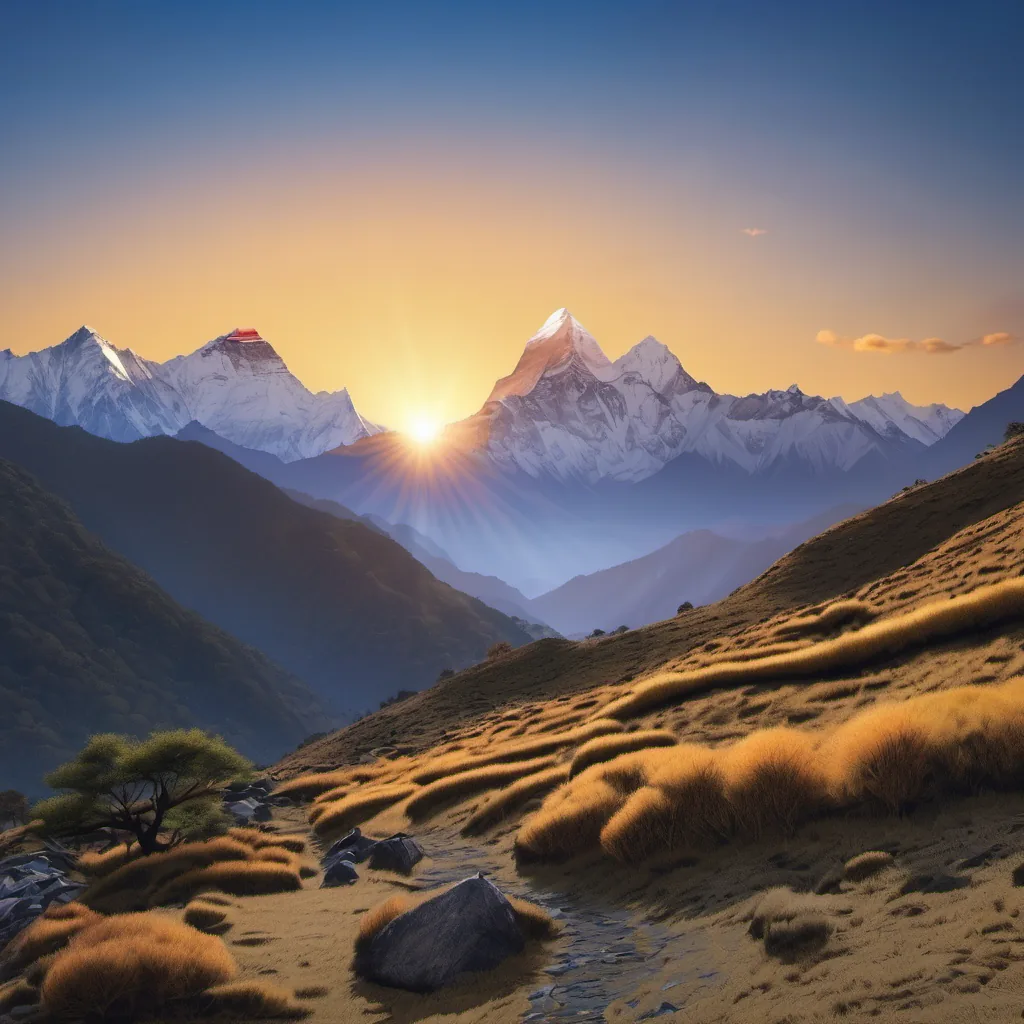
Adventure Awaits: Trekking in Nepal
Nepal, a land of towering mountains and rich cultural heritage, offers some of the most breathtaking trekking experiences in the world. Home to eight of the fourteen highest peaks, including Mount Everest, trekking in Nepal promises adventure, awe, and personal growth. Whether you're a seasoned hiker or a novice looking for a challenge, Nepal has something for everyone. In this article, we will explore popular trekking regions, essential preparations, permits, and more.
Popular Trekking Regions
Everest Region
The Everest region is renowned for its iconic Everest Base Camp Trek, which typically takes 12-14 days to complete. This trek leads adventurers to an altitude of 5,364 meters (17,598 feet), where trekkers can witness the majestic Mount Everest, standing at an astounding 8,848.86 meters (29,031.7 feet) as of 2020. Not only is the trek physically demanding, but it also offers a unique glimpse into Sherpa culture, with opportunities to visit traditional villages and monasteries along the way.
Annapurna Region
Equally famous is the Annapurna region, characterized by diverse landscapes that range from lush rhododendron forests to arid high-altitude terrain. The classic Annapurna Circuit Trek takes 16-20 days and reaches the Thorong La Pass at 5,416 meters (17,769 feet). This trek is celebrated for its stunning views, cultural encounters, and the chance to explore the Annapurna Conservation Area. For those seeking a shorter option, the Poon Hill trek offers breathtaking sunrises over the Annapurna range and can be completed in just a few days.
Essential Preparations
Physical Fitness
Preparing for a trek in Nepal requires a focus on physical fitness. Engage in cardiovascular exercises and strength training to build endurance and strength, which are crucial for navigating the demanding terrain. Additionally, regular hiking in your local area can help you acclimatize to longer distances and varying elevations, ensuring that you’re ready for the challenges ahead.
Acclimatization
Acclimatization is vital to prevent altitude sickness. When trekking at high altitudes, give yourself adequate time to adjust. Plan for rest days during your trek and ascend gradually, allowing your body to adapt to the diminishing oxygen levels. This preparation can significantly enhance your overall trekking experience.
Permits and Regulations
TIMS Card
Before embarking on a trek in Nepal, obtaining a Trekking Information Management System (TIMS) card is essential. This card is required for all trekkers and can be obtained from the Nepal Tourism Board or authorized trekking agencies. It serves to track trekkers and ensure their safety in the mountains.
National Park/Conservation Area Permits
In addition to the TIMS card, specific trekking areas require national park or conservation area permits. For instance, the Annapurna Conservation Area Permit (ACAP) is necessary for trekking in the Annapurna region, while the Sagarmatha National Park Entry Permit is required for the Everest region. Fees for these permits vary depending on the area, so trekkers should budget for these costs when planning their adventure.
Comparison of Popular Treks in Nepal
| Trek Name | Duration (Days) | Max Altitude (meters) | Region | Cost Range (per day) |
|---|---|---|---|---|
| Everest Base Camp Trek | 12-14 | 5,364 | Everest Region | $30-$50 |
| Annapurna Circuit Trek | 16-20 | 5,416 | Annapurna Region | $30-$50 |
| Langtang Valley Trek | 7-9 | 3,870 | Langtang Region | $30-$50 |
Trekking Season
The best time to trek in Nepal is during the pre-monsoon (March-May) and post-monsoon (September-November) seasons. These months provide clear skies and moderate temperatures, creating ideal conditions for trekking. The average cost for a teahouse trek in Nepal ranges from $30-$50 per day, which includes accommodation, food, and basic supplies. It is advisable to avoid trekking during the monsoon season (June-August) due to heavy rainfall, which can lead to slippery trails and leeches.
Frequently Asked Questions (FAQ)
Q: How do I prepare for altitude sickness?
A: To prepare for altitude sickness, acclimatize by ascending gradually, take rest days, and stay hydrated.
Q: Are there guided treks available?
A: Yes, guided treks are available and often recommended for safety and to enhance the experience.
Q: What gear do I need for trekking in Nepal?
A: Essential gear includes sturdy trekking boots, layered clothing, a good backpack, and sleeping bags suitable for cold temperatures.
Q: Can I trek alone in Nepal?
A: While it is possible to trek alone, it is advisable to join a guided group for safety, especially in remote areas.
Conclusion
Trekking in Nepal is more than just a physical challenge; it’s an opportunity to connect with nature, immerse yourself in rich cultures, and push your limits. With a variety of trekking options available—from the iconic Everest Base Camp to the stunning Annapurna Circuit and the captivating Langtang Valley—there's a trek suited for everyone. By preparing adequately and respecting local regulations, you can embark on the adventure of a lifetime. Adventure awaits in the majestic mountains of Nepal!
Related articles
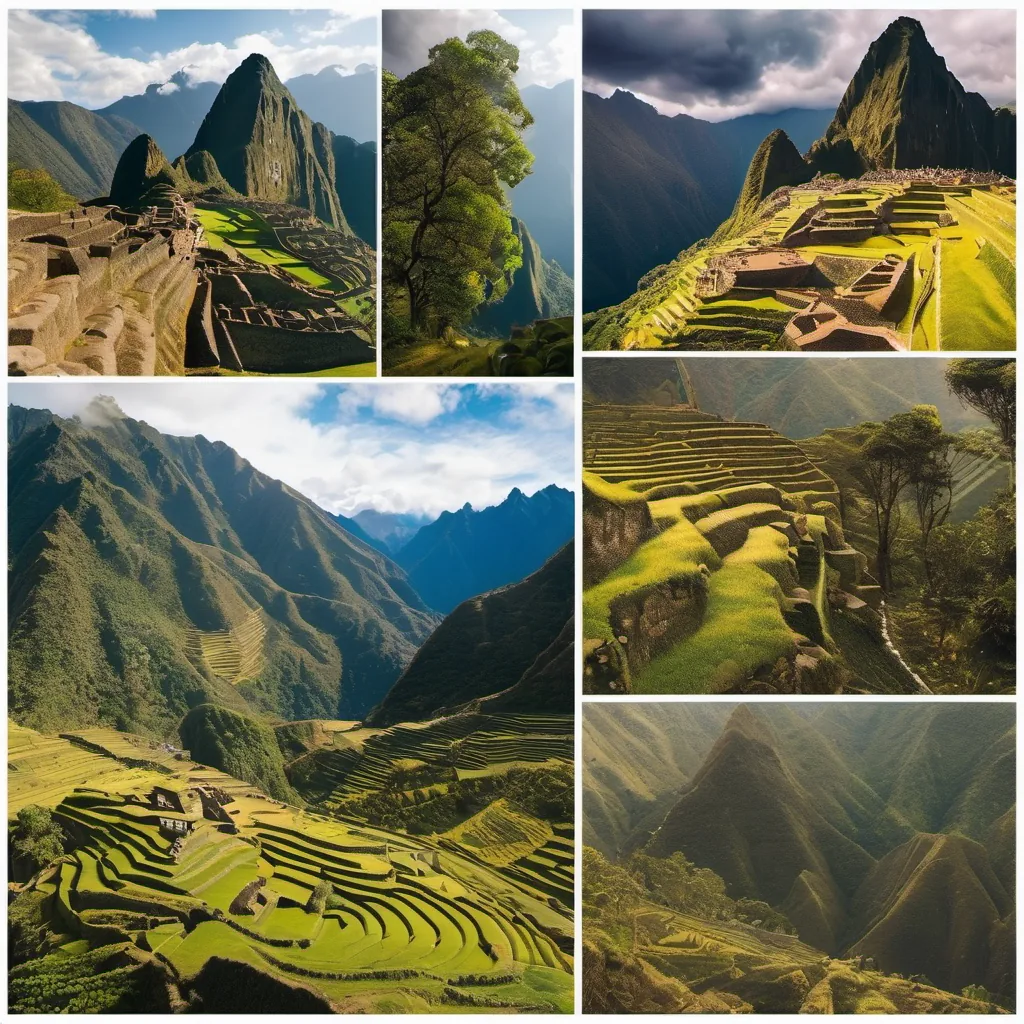
Adventure in the Andes: From Cusco to Machu Picchu
Explore the breathtaking journey from Cusco to Machu Picchu, including trekking options, acclimatization tips, and highlights of this iconic destination. Discover the history, landscapes, and logistics of this unforgettable adventure in the Andes.
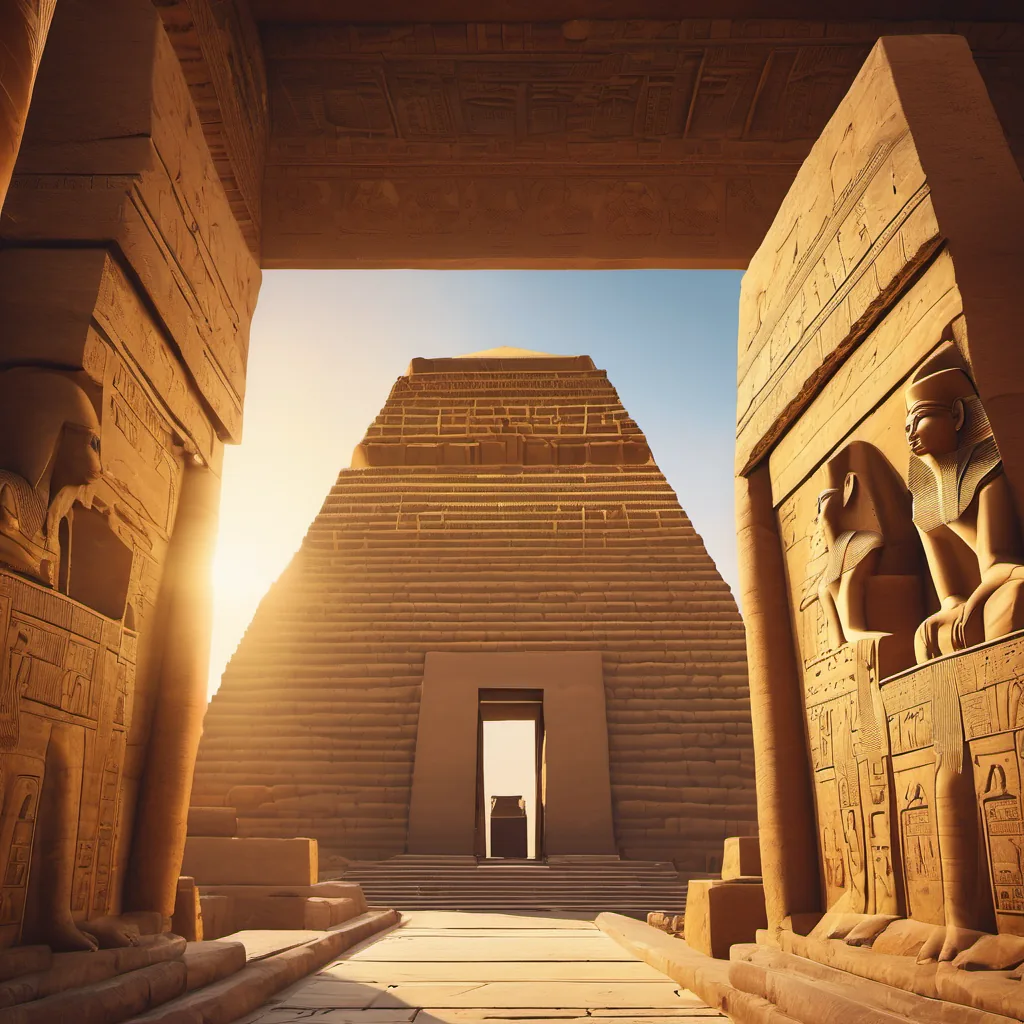
Adventure in Egypt: Exploring Pyramids and Temples
Explore the wonders of ancient Egypt, from the Great Pyramid of Giza to the temples of Luxor and the remarkable Abu Simbel. This blog dives into the history, architecture, and culture of Egypt's most iconic sites.
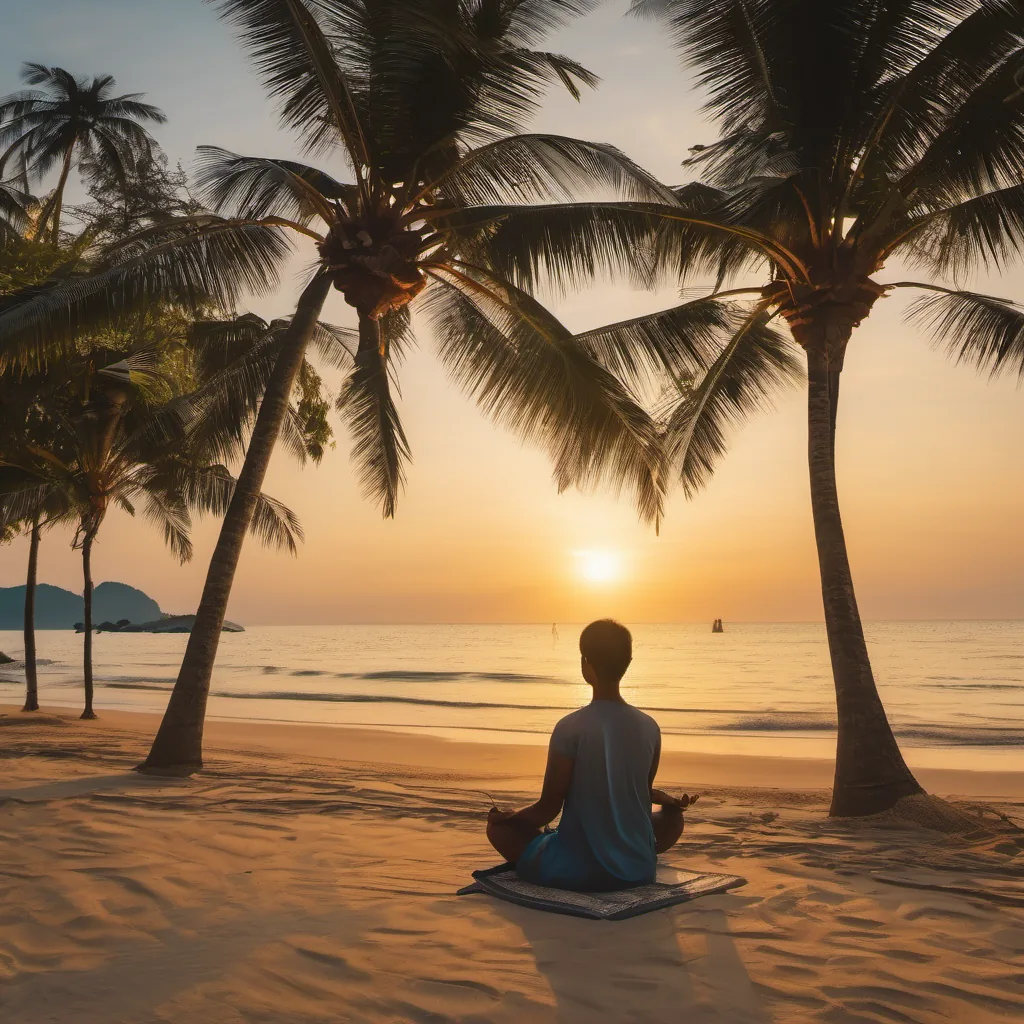
Beach Retreats in Thailand: Relax and Recharge
Explore the stunning beach retreats of Thailand, from the luxurious resorts of Phuket to the tranquil shores of Koh Lanta. Discover activities, sustainable travel tips, and the ideal experiences for relaxation and rejuvenation.